If you are trying to figure out where to live in Hanover, you are really choosing between different ways of life, not just different streets. Some areas put you close to downtown, Dartmouth, sidewalks, and transit, while others offer more land, quieter roads, and a stronger rural feel. Understanding how Hanover is organized can help you narrow your search faster and choose a home style that fits the way you want to live. Let’s dive in.
How Hanover Is Really Organized
Hanover is not defined by one simple neighborhood map. Town planning materials describe a set of distinct areas, including greater downtown, West Wheelock, Lyme Road, Hovey/Ledyard/Buell, Middle Mink Brook, Etna, and rural areas east and west of Moose Mountain.
The town’s zoning also reflects those differences. Hanover separates downtown, Main Wheelock, general residence, single residence, rural residence, and forest-and-recreation districts, which helps explain why housing styles, lot sizes, and density can change so much from one part of town to another.
That structure matters because Hanover is planning for more housing, but not everywhere. The town’s 2024 Sustainability Master Plan says new housing growth should be focused in the greater downtown area, where public water, sewer, and transit already exist.
What Hanover Housing Looks Like Overall
Hanover’s housing stock still leans heavily toward detached homes. According to the town’s 2024 master plan, 71 percent of Hanover’s housing units are single-family homes.
At the same time, the town is trying to add more variety. Hanover’s zoning materials note that more than 25 percent of housing units are considered middle housing, while 94 percent of residential lots still allow only one- or two-family development by right.
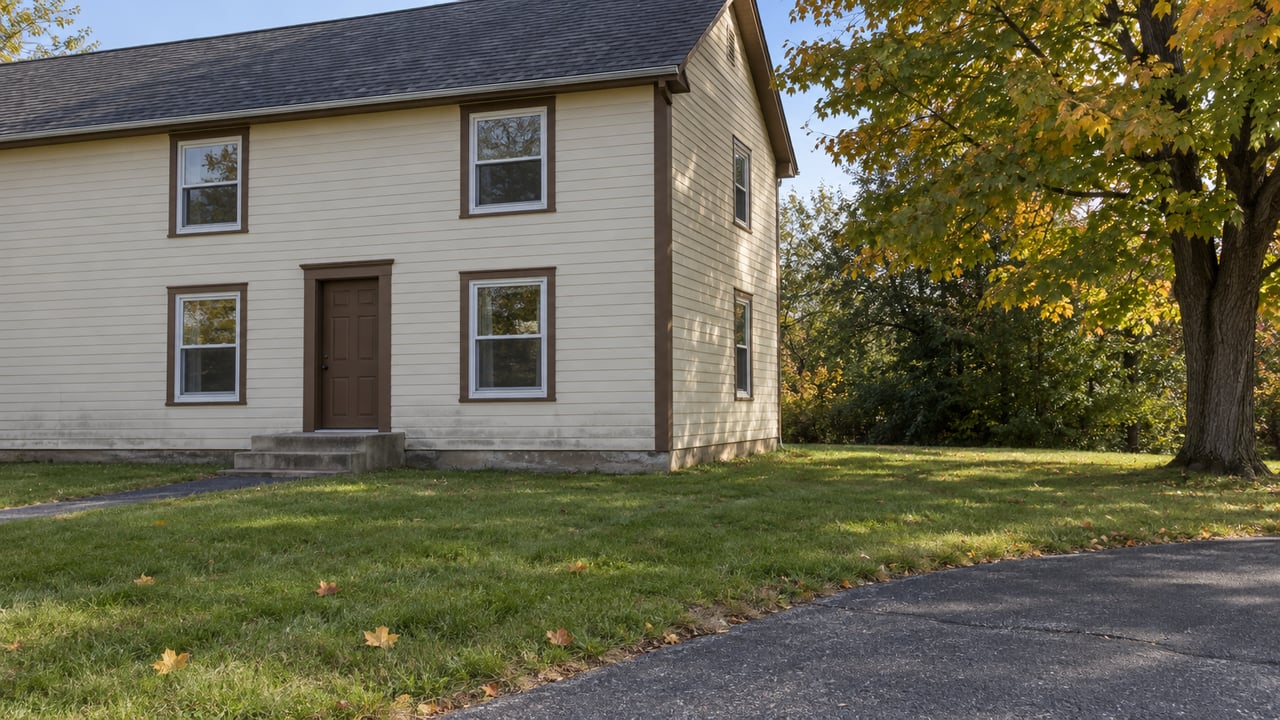
For buyers, that means inventory can feel very different depending on where you look. In central areas, you may see more converted homes, duplexes, townhouses, and multi-unit buildings, while the outer parts of town tend to offer larger lots and more traditional one-home-per-lot patterns.
In-Town Hanover Neighborhoods
Downtown and South Main
Downtown Hanover offers the most connected, village-style experience in town. It sits right by Dartmouth, includes a more pedestrian-focused street pattern, and benefits from town services and transit support, including the Advance Transit shuttle.
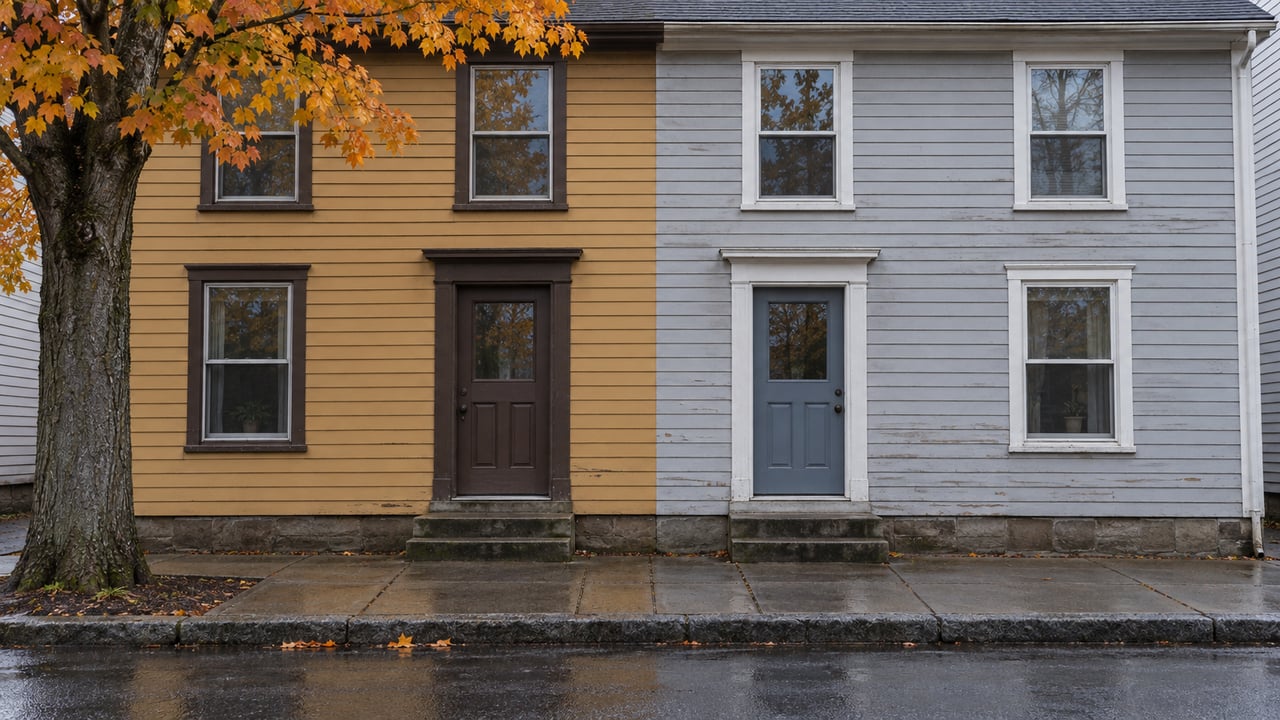
Housing here often reflects Hanover’s historic development. You are more likely to find older wood-frame homes, brick buildings, renovated multi-unit properties, and a more urban streetscape than in most other parts of town.
If you want easy access to Main Street and a more walkable daily routine, this is usually the clearest fit. The tradeoff is often smaller lots, older homes, and less private outdoor space.
West Wheelock
West Wheelock is one of Hanover’s key in-town residential corridors. Town materials describe it as the main route to downtown and Dartmouth from Vermont and I-91, and the area is tied closely to sidewalks, transit, and public infrastructure.
The housing mix is broader than many buyers expect. In this area, you may see single-family homes, converted homes, townhouses, and larger multi-family structures.
That variety can be appealing if you want a central Hanover location but want to keep your housing options open. West Wheelock often feels like a practical middle ground between downtown convenience and a more residential setting.
Hovey, Ledyard, and Buell
The Hovey/Ledyard/Buell area is one of Hanover’s classic central neighborhoods. The town describes it as quiet and park-like, with mature trees, landscaped yards, and winding narrow streets.
This area is still close to downtown and Dartmouth venues, which makes it especially appealing if you want central access without living right in the busiest part of town. It is a good example of a common Hanover balance: close in, but still primarily residential in feel.
For many buyers, this area stands out for its setting more than for housing variety. You are choosing mature streetscapes, established homes, and proximity to town amenities.
Transition Areas and Village Centers
Lyme Road
Lyme Road is one of the clearest examples of a growth corridor in Hanover. Town planning documents identify it as a village center area intended to support mixed residential and commercial uses, higher density, and a wider range of housing sizes and types.
That makes Lyme Road different from a purely single-family neighborhood. It has a more layered character, with residential, institutional, and neighborhood-scale uses in the same broader area.
If you are looking for a part of Hanover where housing variety may continue to expand, Lyme Road is worth close attention. It sits between the intensity of downtown and the quieter feel of the village and rural sections.
Etna
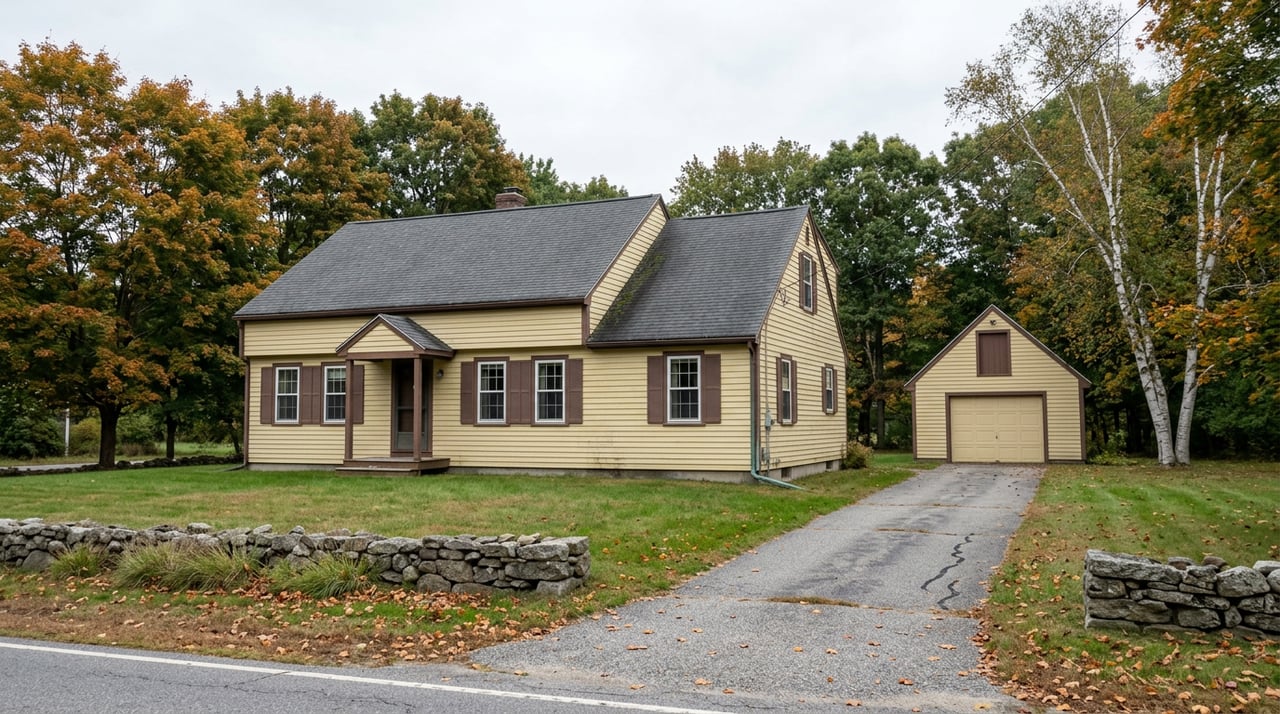
Etna offers one of Hanover’s strongest small-village identities. The town’s historic materials describe it as an older village area with modest one- and one-and-a-half-story capes, stone walls, fields, and woods.
The area still reads as village-scale rather than suburban or downtown. Town materials also note pedestrian links between local destinations like the store, post office, library, and playing fields, which adds to that connected village feel.
For buyers, Etna can be especially appealing if you want character and a pastoral backdrop without moving fully into Hanover’s most remote rural areas. It tends to feel quieter and more spacious than downtown, while still retaining a defined center.
Hanover Center
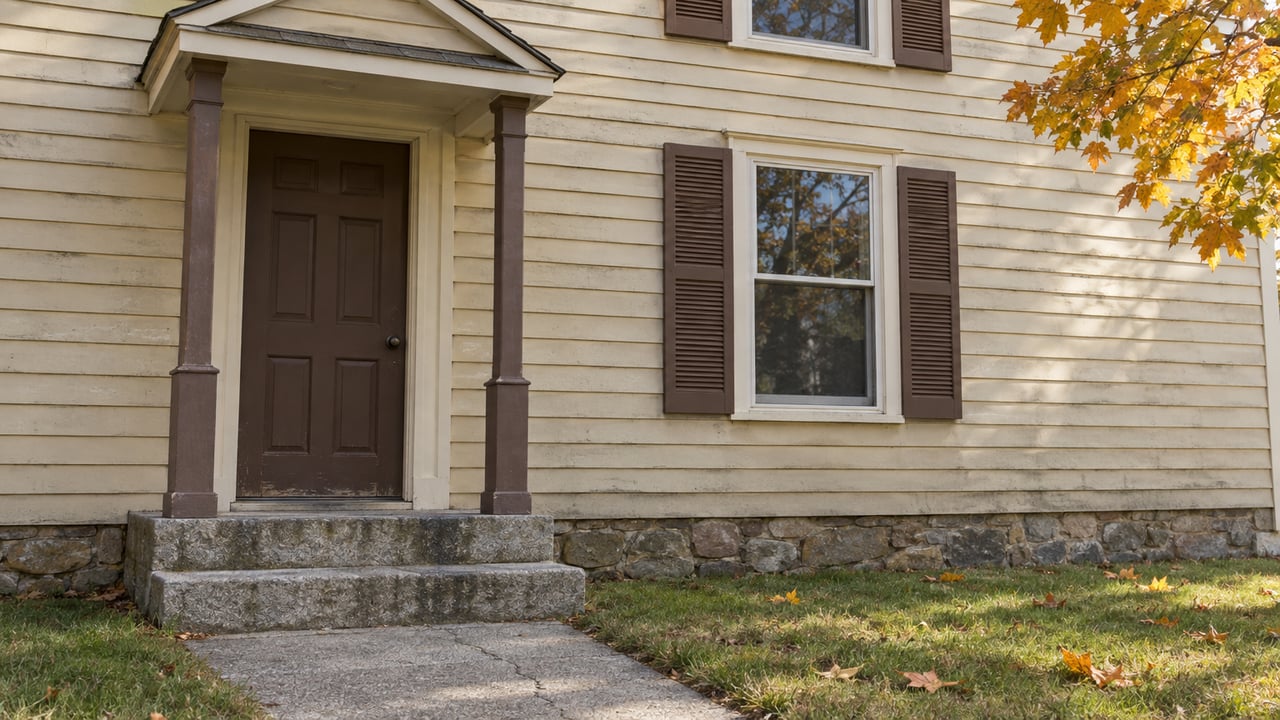
Hanover Center predates Dartmouth and has a deep historic identity. The town describes it as an area with late 18th- and early 19th-century white-clapboard residences, a schoolhouse, a church, and some early brick structures.
This is one of the best places in Hanover to find a traditional village setting. The atmosphere is shaped as much by its historic layout and building forms as by any one home style.
If you are drawn to older New England architecture and a more heritage-focused setting, Hanover Center may feel especially compelling. It offers a different experience from both downtown and the outer rural districts.
Rural Hanover and Acreage Areas
Moose Mountain East
Moose Mountain East is one of Hanover’s most rural landscapes. The town describes it as accessible by scenic dirt roads and home to town forest, a natural preserve, old farms, recreation areas, seasonal homes, and part of Goose Pond.
This part of Hanover feels far more recreation-oriented and land-focused than the in-town areas. Buyers who are searching for privacy, scenery, and outdoor access often look here first.
That said, the lifestyle is different. You should expect more driving, more separation from town services, and a setting that feels much more woodsy and remote.
Moose Mountain West
Moose Mountain West is even more explicitly rural. The town says this area lies entirely in the Forest and Recreation zone and allows seasonal dwellings on 10-acre lots.
The area is described as steep, forested, and largely undisturbed. That gives it a very different character from the village-center and downtown parts of Hanover.
If your priority is land, privacy, and a strong connection to the natural landscape, this is where Hanover feels most like rural New England. It is a very different choice from living near downtown or Dartmouth.
Rural Residence Areas
Outside the built-up parts of town, Hanover’s Rural Residence district is intended for one-family dwellings where public water and sewer are generally not available. Forestry and agriculture are also core uses in this district.
This is an important practical difference for buyers. A home may sit on a beautiful lot, but the services, road conditions, and maintenance expectations can be very different from what you would see in central Hanover.
Hanover also notes that Class VI roads are not maintained by the town. If you are considering a property on a back road or in a more remote location, that is a detail worth understanding early in your search.
Common Hanover Housing Styles
Across Hanover, you will see a fairly broad housing-style spectrum shaped by history, zoning, and landscape. Some of the most common styles and forms mentioned in town materials include:
- Historic capes
- Early farmhouses
- White-clapboard village houses
- Greek Revival homes
- Italianate remnants
- Colonial Revival brick buildings
- Older single-family homes converted to multi-unit use
- Townhouses and duplexes
- Seasonal dwellings in the most rural areas
In practical terms, your housing style often follows location. Central Hanover tends to offer older housing stock, more mixed-use surroundings, and more multi-unit possibilities, while village and rural areas lean more toward detached homes, heritage structures, and acreage settings.
How Lot Size Changes by Area
One of the biggest shifts across Hanover is lot size. In the zoning ordinance, single residence districts range from 10,000-square-foot lots in SR-3 to 15,000 to 20,000 square feet in SR-2, and 30,000 to 100,000 square feet in SR-1, depending on class.
Rural Residence and Forest and Recreation areas are much larger in scale. Rural subdivisions may require 3-acre or 10-acre lots, depending on the type of subdivision.
That difference helps explain the everyday tradeoff many buyers feel in Hanover. The closer you are to downtown and services, the more compact the lots often become. The farther out you go, the more space and separation you are likely to find.
Choosing the Right Hanover Fit
Best for walkability
If your top priority is being able to stay close to downtown, Dartmouth, sidewalks, and transit, focus on Downtown, South Main, West Wheelock, and Hovey/Ledyard/Buell. These areas best match a village-center lifestyle.
Best for housing variety
If you want the widest mix of housing forms, keep a close eye on the greater downtown area and Lyme Road. These are the places where the town is concentrating more housing growth and where services already support a broader range of residential options.
Best for historic village feel
If you are drawn to older homes and a classic New England setting, Etna and Hanover Center stand out. These areas are known for capes, clapboarded houses, stone walls, and a more pastoral backdrop.
Best for land and privacy
If your priority is acreage, outdoor access, and a quieter setting, the areas around Moose Mountain East, Moose Mountain West, Goose Pond, and other rural roads may be the best fit. These are the parts of Hanover where scenery and space take center stage.
Hanover gives you several distinct ways to live, even within one town. If you want help comparing neighborhoods, understanding housing options, or evaluating a property’s fit with your goals, Carter Auch can help you make a confident move with local insight and practical guidance.
FAQs
What are the most walkable neighborhoods in Hanover, NH?
- Downtown, South Main, West Wheelock, and Hovey/Ledyard/Buell are generally the most walkable parts of Hanover because they are closest to downtown, Dartmouth, sidewalks, and transit.
What housing styles are common in Hanover, NH?
- Hanover includes historic capes, farmhouses, white-clapboard village homes, Greek Revival and Italianate remnants, Colonial Revival brick buildings, converted multi-unit homes, townhouses, duplexes, and some seasonal dwellings in rural areas.
What part of Hanover, NH feels most rural?
- Moose Mountain East and Moose Mountain West are the most rural parts of Hanover, with forested land, scenic dirt roads, recreation access, seasonal homes, and larger-lot development patterns.
Where can you find village-style living in Hanover, NH?
- Etna and Hanover Center are Hanover’s clearest village-style areas, with historic building patterns, smaller-scale centers, and a setting shaped by fields, woods, and older homes.
Is Hanover, NH adding more housing near downtown?
- Yes. Hanover’s 2024 Sustainability Master Plan says new housing production should be focused in the greater downtown area where water, sewer, and transit services already exist.