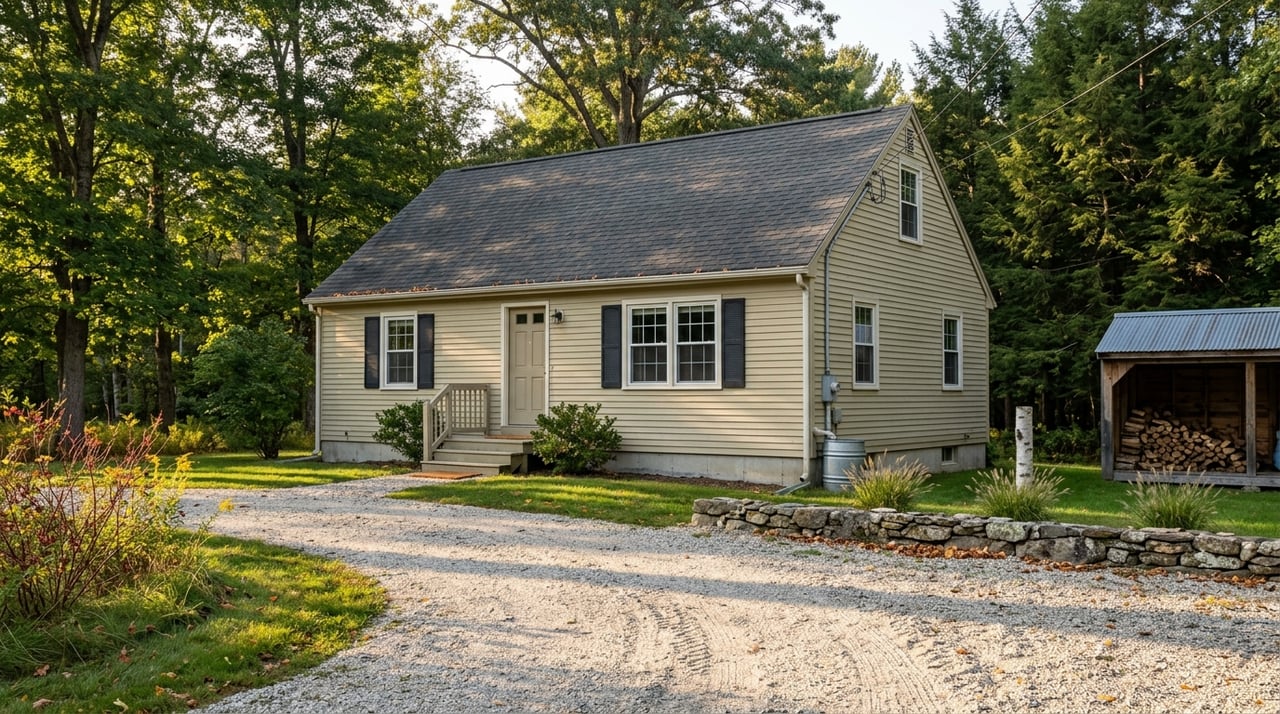
Thinking about buying land in Lyme, NH? It can be exciting to picture a future home, a small farm, or a quiet country retreat, but rural property often comes with more moving parts than buyers expect. If you understand Lyme’s zoning, access, septic, conservation, and current-use rules early, you can make better decisions and avoid surprises later. Let’s dive in.
Why Lyme land buying is different
Lyme’s land-use framework is intentionally rural and conservation-oriented. The town’s master plan focuses on protecting rural character, scenic views, environmental quality, and traditional village areas.
That matters when you shop for land because a parcel’s value is not just about acreage. In Lyme, the practical use of a property often depends on location, terrain, soils, water features, access, and conservation limits as much as the number of acres on paper.
Start with the zoning district
One of the first questions to ask is simple: Which zoning district is the parcel in? Lyme’s current zoning ordinance divides town into districts including Lyme Center, Lyme Common, Commercial, Rural, East Lyme, Skiway, and Mountain and Forest Conservation.
These districts are not just labels on a map. They shape what kind of use may fit the land, how much frontage may be needed, and how realistic your building plans may be.
What the district can tell you
The Rural District is intended to protect rural land uses and traditional agriculture. East Lyme is reserved for low-intensity land uses because of its remote location and land capability.
The Mountain and Forest Conservation District is even more restrictive in purpose. It is reserved for very low-intensity use to preserve large forested tracts, wildlife habitat, scenic views, and the practical limits of servicing remote land.
Lot size is only the beginning
Buyers often assume that if a parcel has enough acreage, it should be buildable. In Lyme, that is not always the case.
The town’s ordinance makes clear that lot size, frontage, setbacks, soils, access safety, traffic circulation, and the future use of the property all matter. A large parcel may still have challenges if steep slopes, wetlands, poor soils, or difficult access affect the usable area.
Lyme lot size and frontage basics
Here is a general snapshot of minimum lot size and frontage thresholds in Lyme’s zoning ordinance:
| District | Minimum Lot Size | Minimum Frontage |
|---|---|---|
| Lyme Center | 1 acre | 100 feet |
| Lyme Common | 1 acre | 100 feet |
| Commercial | 2 acres | 200 feet |
| Rural | 3 acres within 1,000 feet of state highways, or 5 acres elsewhere | 300 feet |
| East Lyme | 15 acres | 600 feet |
| Skiway | 50 acres | 600 feet |
| Mountain and Forest Conservation | 50 acres | 1,000 feet |
| Holt's Ledge | 2 acres | 150 feet |
These numbers are useful starting points, but they are not the whole story. The Planning Board evaluates land based on the parcel’s character, neighborhood context, on-site wastewater and well suitability, and safe access.
Frontage and open-space rules matter too
If frontage is reduced, the Planning Board may require shared driveways. Lyme also allows lot-size averaging in some cases, but when reduced lot sizes are approved, open space must be set aside and the town may require a zoning easement or permanent conservation easement.
For larger subdivisions, special density rules may also apply. That is why two parcels with similar acreage can offer very different options depending on layout and land features.
Access can be a make-or-break issue
Road access is one of the most important parts of land due diligence in Lyme. A beautiful parcel is harder to use if legal or practical access is limited.
If the driveway access is on a town road, Lyme requires a curb-cut permit. If access is on a state road, state permission is required, and state law requires a written permit for a driveway, entrance, exit, or approach on a state-maintained road.
Questions to ask about access
Before you move forward, it helps to confirm:
- Does the parcel have enough road frontage?
- Is the access on a town road or a state-maintained road?
- Will a new driveway need local or state approval?
- Does the terrain make driveway construction more difficult?
- Could shared driveway requirements come into play?
The landowner is responsible for the adequacy of the access and related features like grades and culverts. On rural property, that can affect both cost and feasibility.
Septic and water need early review
For many country properties, septic suitability is one of the biggest unknowns. A parcel may look ideal from the road but still need close review of soils and layout before you assume a homesite will work.
Lyme states that a new house, or adding bedrooms beyond the capacity of an existing state-approved septic system, requires a septic system designer to obtain state approval for a new septic design. The town building permit is also required for the septic system.
Why soils and layout matter
The zoning ordinance says the Planning Board looks at soils for on-site wastewater disposal and wells. In plain terms, you want to know early whether there is a usable septic location and room for a well that works with setbacks, access, and any environmental constraints.
This is one reason raw land purchases often need more technical review than an existing home purchase. Even when a parcel meets minimum acreage rules, the usable building envelope may be smaller than expected.
Wetlands, shoreland, and floodplain limits
Land near water can be especially appealing in Lyme, but it also needs extra care during due diligence. The town has several layers of wetlands, shoreland, and floodplain protections.
Lyme says wetlands impacts, including work affecting wetlands or surface water, require the appropriate New Hampshire wetlands application. The town also has a 100-foot wetlands protection buffer.
Shoreland and floodplain review
The zoning ordinance defines shoreland conservation areas within 200 feet of the Connecticut River, Reservoir Pond, Post Pond, Trout Pond, and other ponds larger than 5 acres, plus 100 feet from other surface waters. If a proposal is in a floodplain, the floodplain ordinance applies, and town office maps show flood areas on each lot.
This means you should not judge a parcel only by total acreage. Wetlands, shoreland areas, flood-prone land, and steep slopes can change where you can build, where you can place a driveway, and how much of the lot is practically usable.
Conservation rules can affect use
Lyme’s conservation priorities are active, not just symbolic. The zoning ordinance establishes conservation districts for wetlands, steep slopes, shoreland, agricultural soils, flood-prone areas, and ridgeline or hillside areas.
These protections are designed to make sure land is developed according to its natural capability and to preserve Lyme’s rural character. For buyers, that means parts of a parcel may be treated differently in lot-size calculations or may carry added limits on how the land can be used.
Why this matters for country buyers
If you are looking for a hobby-farm property, a house site with privacy, or recreational acreage, these rules can shape what is realistic. A parcel may still be a great fit, but your plans should line up with the land’s actual constraints and opportunities.
The Conservation Commission also plays a practical role. It helps conserve open space in town and reviews wetlands permit applications, special exceptions, variance applications, and site plan reviews.
Current use can change the cost picture
If you are buying acreage in Lyme, ask whether the land is in current use. This can affect both ongoing taxes and future plans.
Lyme says current use is voluntary and reduces property tax on undeveloped land by assessing it based on income-producing value rather than fair market value. In Lyme, undeveloped land of 10 or more acres may enroll, and smaller parcels of wetlands or agricultural land may also qualify.
What happens if land comes out of current use
When land is removed from current use, the town assesses a land use change tax equal to 10% of the land’s full and true value at the time of removal. That can become a major budgeting issue if your plans involve building, subdividing, or changing how part of the property is used.
Applications for current use are due by April 15. If current use is part of the parcel’s status, it is worth reviewing how that fits your long-term goals before you close.
Subdivision and larger projects need planning
If you are buying land with future subdivision in mind, Lyme expects early coordination. The town says the first step for a subdivision, site plan review, or building permit is to contact the Planning and Zoning Administrator.
The town also advises applicants to review the zoning ordinance and confirm whether a zoning permit, floodplain review, or other local application is needed. For subdivision work, a survey will probably be required, and an informal Planning Board meeting is often a smart early step.
Extra review for more complex sites
For larger land disturbances, more approvals may come into play. Lyme notes that disturbing more than one acre of soil can trigger federal stormwater requirements, and certain larger land disturbances may require an Alteration of Terrain permit under state law.
The town also notes that consultant fees for engineers, surveyors, lawyers, and planners may be charged in contested or complex cases. If your purchase depends on development potential, it is important to factor in time, cost, and process before you commit.
A smart Lyme land due diligence checklist
Before you buy land or country property in Lyme, try to answer these questions clearly:
- Which zoning district is the parcel in?
- Does it meet minimum lot size and frontage requirements?
- Is there safe and practical road access?
- Will the driveway need town or state approval?
- Is there a suitable area for septic and a well?
- Are wetlands, shoreland areas, steep slopes, or floodplain limits present?
- Is any part of the land in current use?
- Is there a conservation easement or other restriction on title?
- Would your plans trigger subdivision, site plan, or other local review?
- Do you need a survey, septic design, or additional technical review before closing?
Lyme’s online tax maps are a useful starting point because they show parcel boundaries, roads, and water features. Still, they are only the beginning of the due diligence process.
Local guidance matters
Buying land in Lyme can be deeply rewarding, especially if you want space, privacy, or a country lifestyle in the Upper Valley. It also rewards buyers who ask the right questions early and match their goals to the land’s actual conditions.
Whether you are evaluating a simple homesite, a hobby-farm candidate, or a larger rural parcel with more moving parts, local process knowledge can make the path much smoother. If you want practical guidance on buying land and country property in Lyme or elsewhere in the Upper Valley, connect with Carter Auch.
FAQs
What should you check before buying land in Lyme, NH?
- You should confirm the zoning district, lot size and frontage, road access, septic and well suitability, wetlands or floodplain limits, current-use status, and any conservation easements or title restrictions.
How does zoning affect land in Lyme, NH?
- Zoning affects minimum lot size, frontage, development intensity, and how the town evaluates a parcel’s soils, access, and future use, so it directly shapes what you may be able to do with the property.
Does a large parcel in Lyme, NH mean you can build on it?
- Not always. In Lyme, buildability can depend on terrain, wetlands, shoreland areas, soils, access, septic feasibility, and other conservation-related constraints as much as total acreage.
What is current use in Lyme, NH?
- Current use is a voluntary program that can reduce taxes on qualifying undeveloped land, but if land is removed from current use, Lyme assesses a land use change tax equal to 10% of the land’s full and true value at the time of removal.
Do you need approval for a driveway in Lyme, NH?
- Yes, in many cases. A curb-cut permit is required for access on a town road, and written permission is required for a driveway or entrance on a state-maintained road.
Who should you contact about building or subdividing land in Lyme, NH?
- The town says the first step is to contact the Planning and Zoning Administrator to review whether your plans may require a zoning permit, floodplain review, subdivision process, or other local approvals.