Dreaming about a place you can escape to for ski weekends, summer lake days, or colorful fall getaways? Hartford, Vermont offers that kind of flexibility, but it is not a one-size-fits-all second-home market. If you are exploring vacation living here, it helps to understand how the town’s villages, property types, and local rules shape your options. Let’s dive in.
Why Hartford Stands Out
Hartford is made up of five villages: Hartford Village, Quechee, White River Junction, Wilder, and West Hartford. That matters because each area offers a different feel, from resort-oriented living to village settings to more rural privacy.
For second-home buyers, that variety can be a real advantage. Instead of shopping one narrow market, you can compare amenity-centered properties, older village homes, condos, and more secluded settings within the same town.
Hartford’s Villages Offer Different Lifestyles
Quechee and Resort Living
Quechee is the part of Hartford most closely tied to vacation-home living. The town describes it as a former mill village that became a popular resort community, and it still keeps some of that historic character.
Quechee Lakes and Quechee Club materials describe a community with home sites, completed homes, and condominiums. Owners secure rights to an equity membership at Quechee Club, and the area is built around a four-season lifestyle.
That can be appealing if you want a second home that is easy to use throughout the year. Rather than owning a property that shines only in one season, you may find options here that fit summer, winter, and shoulder-season visits.
White River Junction, Hartford Village, and Wilder
If you prefer a more traditional village setting, Hartford Village, White River Junction, and Wilder may be worth a closer look. These areas offer a different experience than Quechee, with older homes, downtown or historic context, and a stronger village feel.
White River Junction is especially shaped by its downtown environment and design-review context. If you are considering a property there, exterior work, signs, and other visible changes may be subject to local design review.
That does not make village ownership harder, but it does mean you should expect a little more due diligence if you want to renovate or update a property. For some buyers, that added structure is part of the appeal of owning in a historic or downtown area.
West Hartford and Rural Privacy
West Hartford is described by the town as its most rural village. If your ideal second home looks more like open land, a quieter setting, or a little more separation from the busier resort rhythm, this area may deserve attention.
This can be a good fit if you want a weekend retreat that feels tucked away while still being part of Hartford. It also shows why Hartford appeals to more than one kind of second-home buyer.
Property Types You May Find
Hartford’s second-home market includes several ownership styles, and each can come with a different level of maintenance, amenities, and oversight.
You may come across:
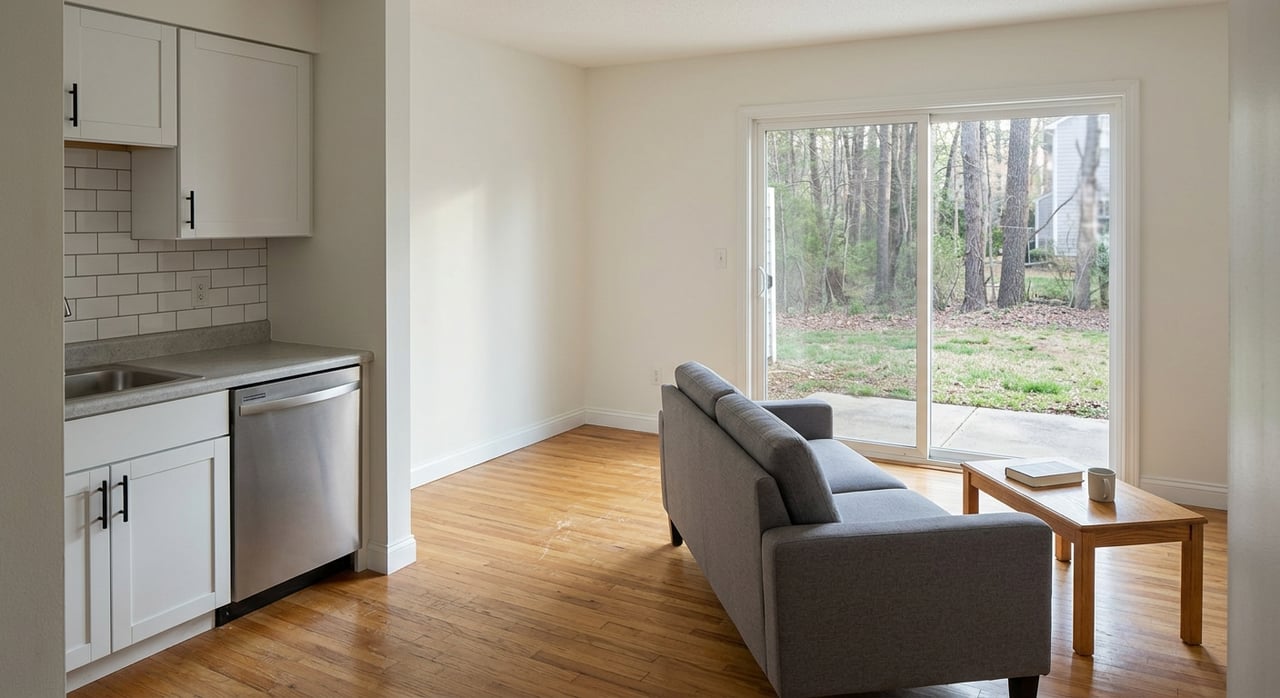
- Condominiums in resort-oriented settings
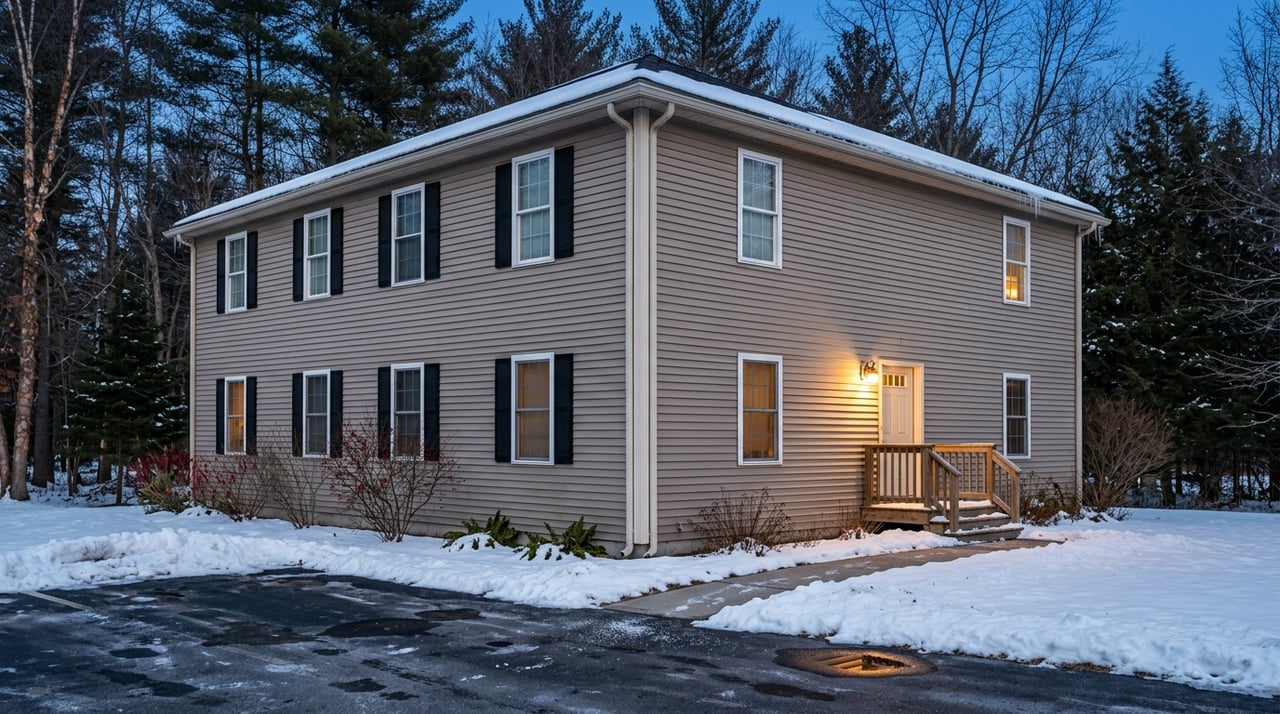
- Completed single-family homes
- Home sites in planned communities
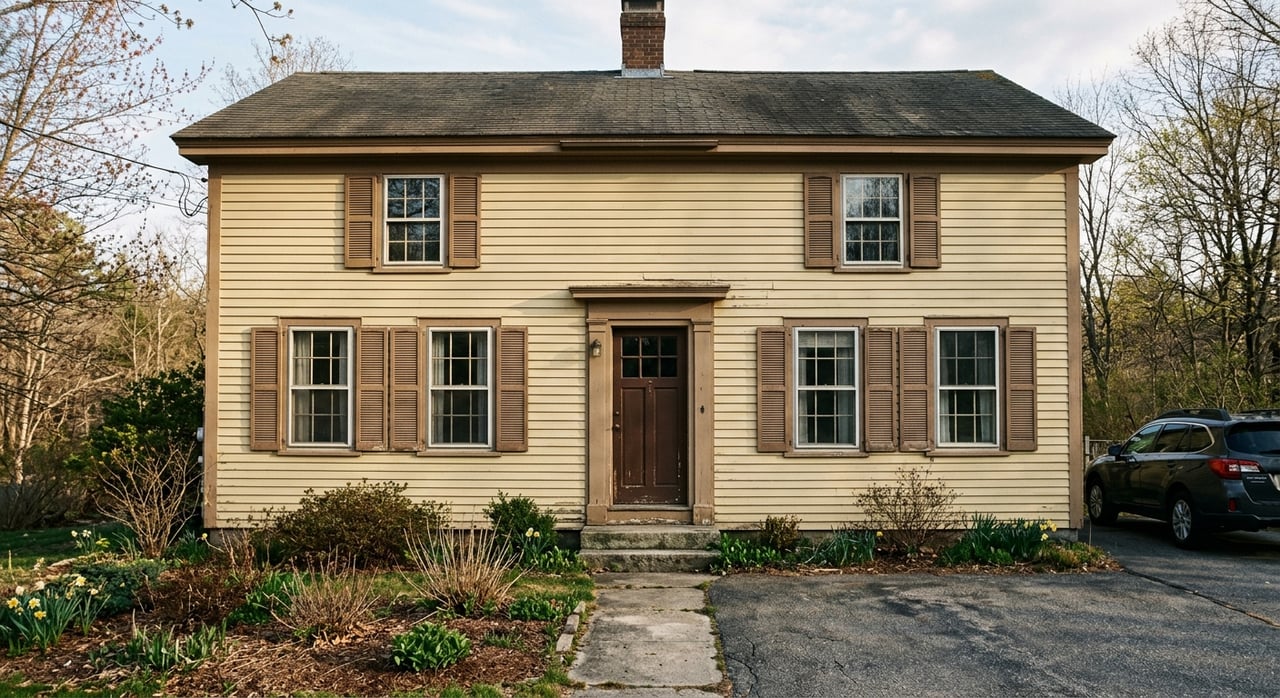
- Older village homes in traditional settings
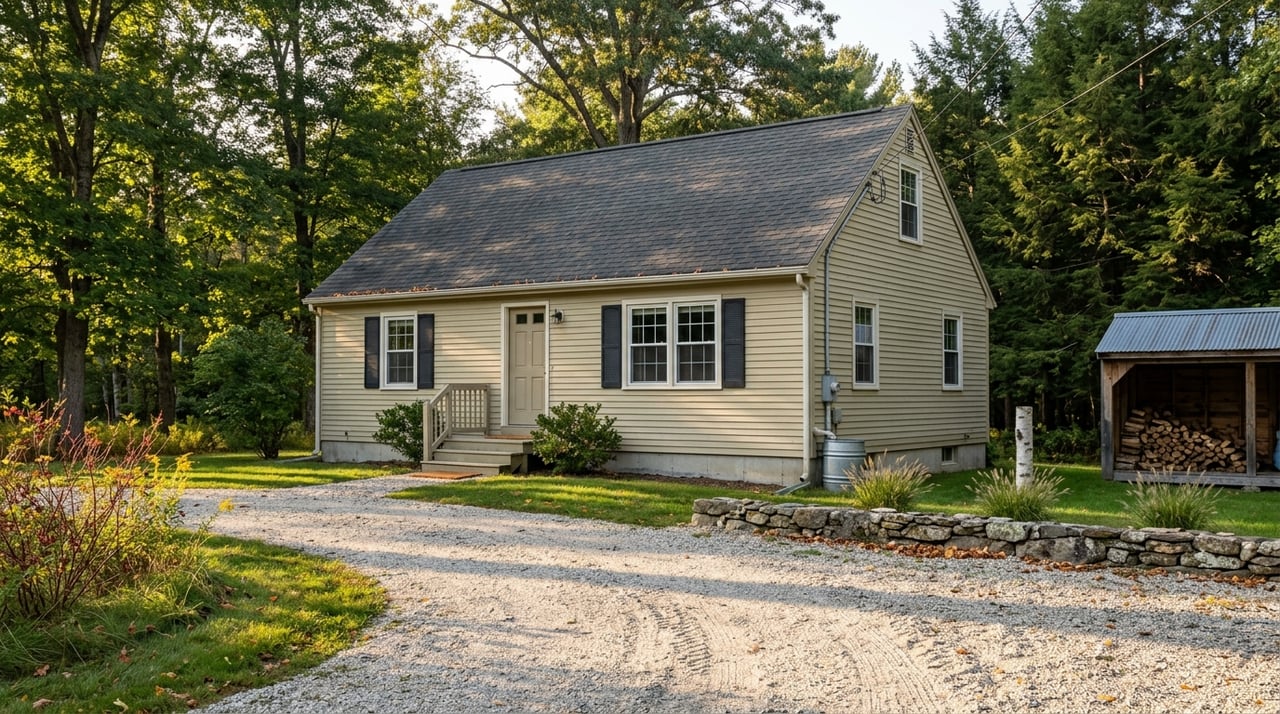
- Rural properties with more land and privacy
In Quechee, the clearest resort-style pattern is the mix of condominiums, homes, and home sites tied to the Quechee Lakes association structure. In other parts of Hartford, you may find more traditional ownership patterns without the same club-centered setup.
That distinction matters because your experience can look very different depending on what you buy. A condo tied to a club community, a village home, and a rural property may all fit the label of “second home,” but they can involve very different costs, rules, and day-to-day use.
Four-Season Appeal Is a Big Draw
One of Hartford’s strongest selling points for vacation living is its year-round rhythm. In and around Quechee, second-home buyers are not just buying a summer base. They are often buying access to multiple seasons of use.
Quechee Club says the community spans about 6,000 acres and centers on recreation throughout the year. Amenities include golf, pools, dining, tennis, Lake Pinneo, and Ski Quechee.
Lake Pinneo is described by the club as a 52-acre recreation lake with beaches, boating access, and lifeguarded summer use. Access is included with Quechee Club membership, and Hartford residents can also purchase day or season passes.
In winter, Ski Quechee adds another layer to the local lifestyle. The ski area is open to the public and is described by the club as family-friendly and beginner-friendly, with 13 trails.
That kind of seasonal balance is important for second-home buyers. It can help justify ownership when you know the property may be used for summer trips, fall foliage weekends, and winter holidays instead of only one peak season.
Seasonal Activity Shapes the Market
Hartford’s appeal is also tied to the flow of visitors throughout the year. Quechee State Park is active from Memorial Day weekend through the second Monday in October, and the park notes that hundreds of thousands of visitors stop each year to see Quechee Gorge.
The park also offers cabins, camping, hiking, fishing, and picnic access. For buyers, that helps explain why summer and fall can feel especially active in the area.
Local programming adds to that rhythm. Hartford Parks and Recreation hosts summer concerts on Wednesdays at Quechee Green or Lyman Point Park, which is another sign of when second-home use may be strongest.
If you are thinking about how often you will personally use a property, or whether occasional rental use may be part of your plan, understanding this seasonal pattern can help you set realistic expectations.
What to Review Before You Buy
Second-home purchases often involve more than choosing the right floor plan or view. In Hartford, there are a few practical issues that deserve close attention before you move forward.
Flood-Hazard Considerations
Hartford sits along the Connecticut, White, and Ottauquechee rivers. Because of that, some river-adjacent parcels and low-lying homes may fall under flood-hazard regulation.
If a property is near water or in a lower-lying area, flood-map review and insurability should be part of your due diligence. This is especially important for second-home buyers who may not be in town full-time to monitor conditions year-round.
Design Review in Village Areas
In White River Junction, some visible exterior changes can fall under a design review district. If you are buying an older property and hoping to update the exterior, confirm what local review may apply before you finalize your plans.
This is not a reason to avoid village properties. It is simply part of understanding how ownership works in that setting.
Club and Association Details
If you are looking in Quechee, association structure matters. The club directs buyers to its current All Things Quechee guide for association dues, membership benefits, and amenity details.
That is a key step because a property’s dues, membership rights, and rental rules should line up with how you plan to use the home. A condo meant for easy weekend living may fit one buyer perfectly, while another buyer may prefer a home with fewer shared obligations.
Thinking About Short-Term Rental Use?
Some second-home buyers want a place for personal use plus occasional rental income. If that is part of your thinking, Hartford requires careful review of both state and local rules.
Under Vermont law, a short-term rental is a furnished house, condominium, or other dwelling rented to the transient, traveling, or vacationing public for fewer than 30 consecutive days and for more than 14 days per calendar year. Operators must collect a 3 percent short-term rental surcharge in addition to the 9 percent rooms tax, and operators must post the corresponding rooms-tax account number in advertisements.
Hartford also has a 1 percent local option tax on rooms, meals, alcohol, and sales. That means the local tax picture can be layered, so income projections should be checked carefully before you buy.
Local permits matter too. Hartford requires a zoning permit before land development, broadly defines land development to include changes in use, and requires a Certificate of Occupancy before a structure is occupied.
The Hartford Fire Department also states that owners renting out their homes, including short-term rentals, must obtain a Certificate of Occupancy and Fire Permit. The town also notes that condominiums are considered public buildings under Vermont law.
For buyers, the takeaway is simple: if you want to rent your second home, confirm the property’s zoning, permit, safety, tax, and association requirements before assuming it will work as an income property.
How to Choose the Right Fit
The best second home in Hartford depends on how you want to use it. A ski-and-lake lifestyle may point you toward Quechee, while a classic village setting may steer you toward Hartford Village, White River Junction, or Wilder.
If privacy matters most, West Hartford may be worth a look. If lower-maintenance ownership is the goal, a condo may make more sense than a single-family home or rural property.
A helpful way to narrow your search is to ask yourself a few practical questions:
- Will you use the home in one season or all year?
- Do you want club-style amenities or a simpler ownership setup?
- Are you comfortable with association dues or design-review requirements?
- Do you want to explore occasional short-term rental use?
- Would you rather be near village activity or in a quieter rural setting?
Those answers can make it much easier to sort through Hartford’s overlapping submarkets and focus on the options that truly fit your goals.
Hartford works well as a second-home market because it offers more than one version of vacation living. You can find resort-style recreation, village character, and rural settings, all within the same town. If you want help comparing neighborhoods, property types, or due-diligence issues in Hartford and the broader Upper Valley, Carter Auch can help you make a more confident move.
FAQs
What makes Hartford, VT appealing for second-home buyers?
- Hartford offers a mix of resort-oriented living in Quechee, traditional village settings in places like White River Junction and Hartford Village, and more rural options in West Hartford.
What kinds of second homes can you find in Hartford, VT?
- Buyers may find condominiums, completed homes, home sites in planned communities, older village homes, and rural properties with more land.
What should buyers know about Quechee second-home ownership?
- Quechee properties may be tied to the Quechee Lakes association structure, and buyers should verify dues, membership rights, amenity access, and rental rules for any specific property.
What should buyers know about short-term rentals in Hartford, VT?
- Short-term rental use can involve Vermont taxes, Hartford’s local option tax, and local permit requirements, including a Certificate of Occupancy and Fire Permit for rental use.
Are there flood-related issues to review when buying in Hartford, VT?
- Yes. Because Hartford lies along the Connecticut, White, and Ottauquechee rivers, some properties may fall under flood-hazard regulation and should be reviewed for flood maps and insurability.
Do village properties in Hartford, VT have extra review requirements?
- Some do. In White River Junction, certain visible exterior changes may fall under a design review district, so buyers should confirm local requirements before planning updates.