Trying to decide between Hanover, NH and Norwich, VT? You are not alone. Many Dartmouth‑area buyers weigh commute times, village life, taxes, and housing style across the river before they choose. This guide gives you a clear, local view of how the two towns compare so you can focus on what matters most for your daily life and long‑term budget. Let’s dive in.
Hanover vs. Norwich at a glance
- Commute and access: Hanover puts you at Dartmouth’s doorstep. Norwich is a short walk, bike ride, or drive across the Ledyard Bridge.
- Village feel: Hanover’s downtown is lively and college‑centric. Norwich’s village green and shops feel quieter and residential.
- Housing: Hanover has a mix of condos, multifamily rentals, and single‑family homes near campus. Norwich leans toward single‑family homes and larger lots, especially outside the village.
- Taxes and long‑term costs: New Hampshire has no broad‑based state income or general sales tax. Vermont has both. Property taxes exist in both states and vary by town and assessed value.
- Lifestyle: Both towns offer river access, trail networks, and strong community programming. Hanover layers in college arts and lectures; Norwich centers on village events.
Commute and transportation
Walking and biking
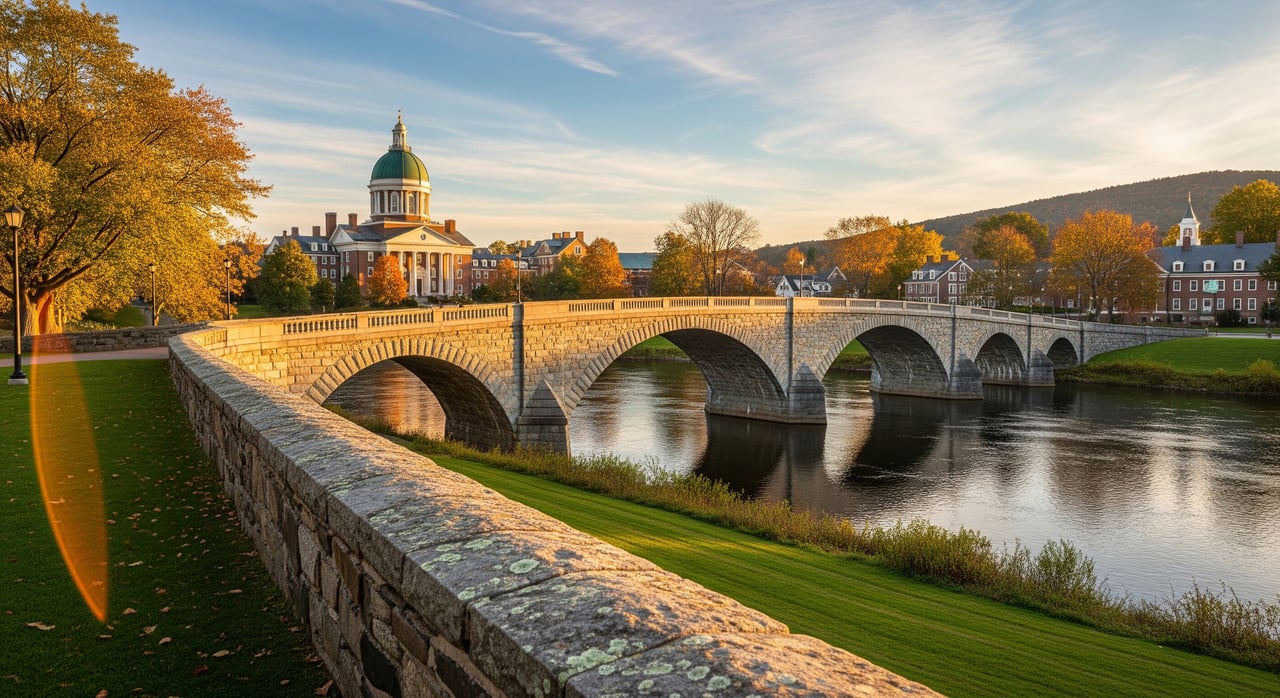
If you want a car‑light lifestyle tied to campus, Hanover is the simplest choice. From central Norwich, many people walk or bike to Dartmouth via the Ledyard Bridge, often in under 20 to 30 minutes depending on your exact starting point. Always map your likely route from a specific address to your campus destination, since “close” can change with building locations and parking rules.
Driving and campus parking
Daily driving between Norwich and Hanover is common and quick in normal conditions. Peak times and bridge traffic can add a few minutes, so test your route during your real commute window. Parking policies on campus can be the swing factor, so check Dartmouth’s employee parking and shuttle options before you decide where to live.
Public transit
Advance Transit provides fare‑free bus service around the Upper Valley, including Hanover, Dartmouth facilities, Norwich, and nearby hubs. If you prefer not to drive every day, review the routes and schedules that match your work hours. Transit can also bridge a two‑household schedule when one car is in use.
Village life and daily amenities
Hanover village energy
Hanover’s downtown sits right alongside campus. You will find shops, restaurants, service providers, and cultural anchors like the Hopkins Center for the Arts and the Hood Museum. The village core feels lively most days and evenings, with college events shaping the rhythm of daily life.
Norwich village charm
Norwich centers on a historic green, independent shops, a library, and civic spaces. It is often described as quieter and more residential while still walkable to essentials. Many people choose Norwich for its strong village identity and easy jump to the river, trails, and neighboring towns.
Groceries, health care, and childcare
Both towns have grocery options within a short drive, and Hanover’s campus proximity often means more evening and weekend hours nearby. Access to Dartmouth‑Hitchcock and other clinics in the area is similar from many Hanover and Norwich neighborhoods. If childcare or preschool is a priority, contact local providers and town recreation departments early, since availability and waitlists can change.
Housing and market feel
Home types
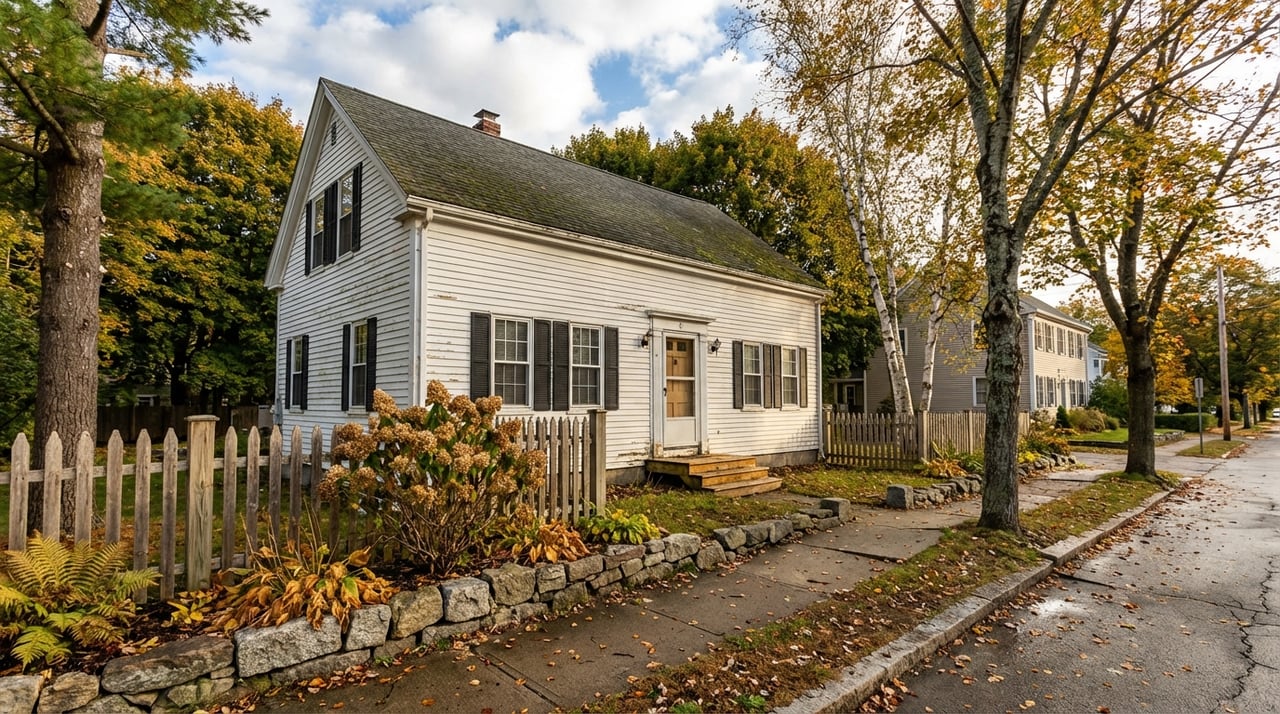
Hanover offers a mix of single‑family homes, historic New England houses, condos, and multifamily rentals, with higher density near downtown. Some older properties close to campus have been converted to multi‑unit rentals. Norwich leans toward single‑family homes, with historic houses in the village and larger suburban or rural lots outside of it.
Inventory and demand
Dartmouth’s presence drives demand, especially for Hanover’s close‑in neighborhoods and rentals. Limited buildable land near the village keeps competition strong. Norwich attracts buyers who value yard space, trees, and quieter streets, which keeps single‑family demand steady.
Affordability notes
Prices in both towns sit above state and national medians because of desirability and limited new supply. Hanover’s median often trends at or above Norwich’s, but timing, condition, and lot size can flip that in a given season. If you are early career or want flexibility, consider owner‑occupied condos in Hanover or single‑family homes in Norwich’s outlying areas, then confirm current numbers with the latest MLS snapshot before you act.
Taxes, schools, and rules
State tax basics
New Hampshire does not levy a broad‑based state income tax or general sales tax. Vermont has a state income tax and a state sales tax. Your state of residence affects withholding and filings, so factor that into your budget if you will live in Norwich and work in New Hampshire.
Property taxes 101
Both states rely on property taxes to fund local services and schools, but the mechanics differ. Your annual bill depends on assessed value and the town’s tax rate. A quick way to compare is to estimate assessed value times the local rate for each property you are considering and weigh that alongside state income and sales tax impacts.
Schools and enrollment
Both towns offer active public school communities. Because New Hampshire and Vermont structure districts differently, always confirm assigned schools, report cards, and any choice policies with state education agencies and local district pages. If specific programs or extracurriculars matter, contact schools directly to understand current offerings and enrollment steps.
Permits, land use, and environmental
Local zoning guides new construction, renovations, and lot splits in both towns. Norwich properties may be subject to Vermont’s broader planning laws for larger projects, while Hanover uses local boards and site plan rules. For any property near water or with older septic systems, review floodplain maps, setbacks, and septic sizing with the town land‑use office before you commit.
Recreation and culture
Outdoor access
Both towns share the Connecticut River as a natural playground and have nearby trail networks for walking, biking, and winter fun. Dartmouth Outing Club programs add options for outings and skills, and many regional trail systems are easy to reach from either side of the river. Drive times to small ski areas and larger resorts are similar from both Hanover and Norwich.
Arts and events
Hanover’s cultural calendar is influenced by Dartmouth’s lectures, performances, and museums, often within a short walk if you live in the village. Norwich’s community events center on the green, local arts, and volunteer groups. It is a matter of scale and daily rhythm rather than access, since you can enjoy both calendars from either town.
How to choose your fit
Match your daily life to the town’s strengths:
- If you want the shortest, most predictable path to classrooms, labs, or campus events, choose a Hanover village address.
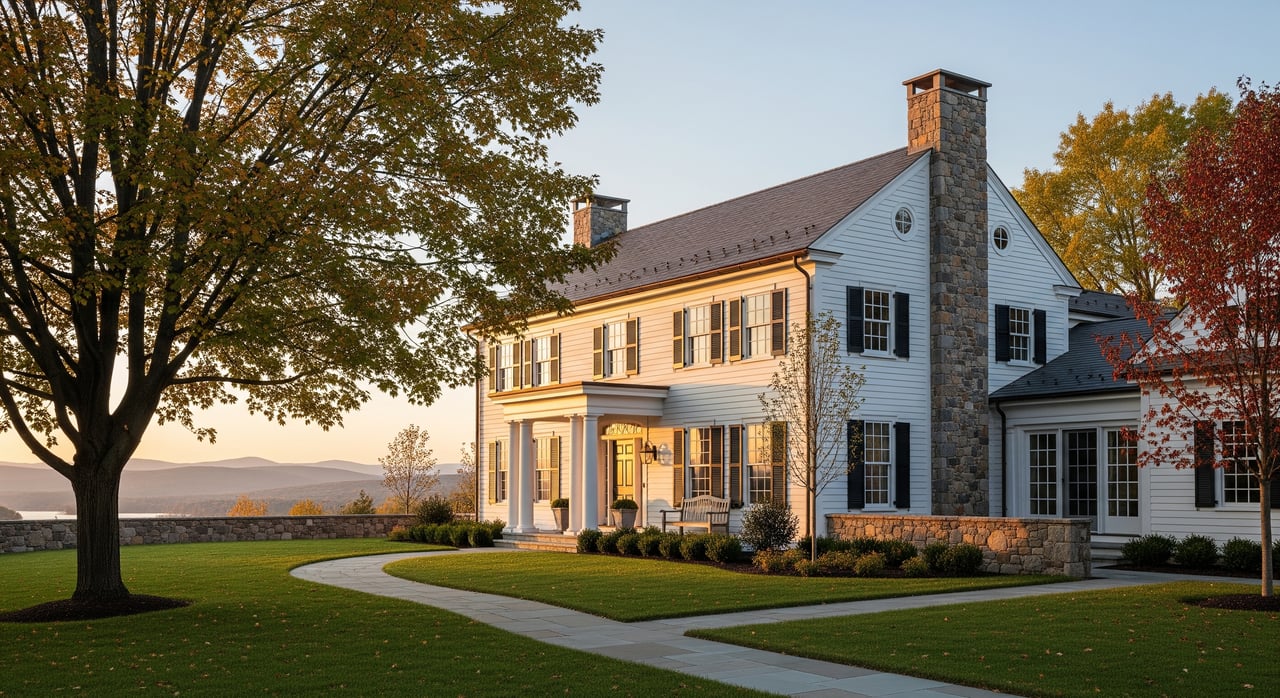
- If you want larger yards and a quieter village vibe while staying close to campus, Norwich is hard to beat.
- If long‑term cost is your focus, model your total cost: mortgage, estimated property tax, utilities, and the impact of Vermont’s income and sales taxes vs New Hampshire’s structure.
- If your campus end‑point matters, map it. Being close to athletic facilities can point you to different streets than being close to academic buildings or clinics.
Quick decision checklist
- Map commute from short‑list homes to your exact campus destination at peak times.
- Review Advance Transit routes that match your schedule.
- Confirm Dartmouth parking permits and shuttle options you are eligible for.
- Estimate property taxes for each home based on assessed value and local rates.
- Verify school assignments and review state report cards if that is a key factor.
- Check FEMA flood maps and town overlays for floodplain or conservation constraints.
- Scan planning board agendas for any nearby projects that may shape future neighborhood feel.
Next steps with local help
Choosing between two great towns is easier when you test the details on the ground. If you want a guided short list that fits your commute, budget, and lifestyle, reach out to Carter Auch for local, cross‑state insight and a clear plan. You will get practical advice, neighborhood context, and a smooth process from search to closing.
FAQs
What is the real commute time from Norwich to Dartmouth?
- Most residents walk or bike across the Ledyard Bridge in under 20 to 30 minutes from central Norwich, or drive a short hop. Always test your exact route and time it during your normal commute.
How do New Hampshire and Vermont taxes affect my budget?
- New Hampshire has no broad‑based income or general sales tax. Vermont has both. Combine that with your estimated property taxes to compare total annual cost for each address.
Are Hanover schools and Norwich schools comparable?
- Both towns support active public schools. Because rules differ by state, confirm assigned schools, state report cards, and any choice policies with the respective education agencies and local districts.
Does one town have better access to Dartmouth events?
- Hanover residents are steps from campus venues, so the walk is simplest. Norwich residents still attend easily, and the village is a short walk, bike ride, or drive from campus events.
Where can I find rentals vs. owner‑occupied options?
- Close‑in Hanover neighborhoods have more multifamily rentals and condos tied to student and employee demand. Norwich leans toward owner‑occupied single‑family homes, especially outside the village.
How do I check flood risk or septic constraints before I buy?
- Review FEMA flood maps and ask the town land‑use office about floodplain overlays, setbacks, and septic requirements. This is important for river‑adjacent properties or older systems.