Thinking about buying in Hartford, Vermont? You are not looking at just one place. You are choosing among five distinct villages, each with its own pace, housing mix, and daily rhythm. If you want a clearer picture of how Hartford works, what each village offers, and what to check before you buy, this guide will help you start with confidence. Let’s dive in.
Why Hartford Stands Out
Hartford sits in Windsor County on the New Hampshire border in the Upper Valley. It is a town with a village-based layout, and that matters when you are home shopping because the experience can change a lot from one part of town to another.
Town planning materials describe Hartford as largely rural, with about 29,434 acres total and roughly 80% undeveloped. Even with that open-land character, Hartford remains one of the more practical Vermont-side locations for buyers who want access to jobs, services, and cross-river commuting.
Hartford also has an estimated 2025 population of 10,911 and ongoing housing-supply pressure reflected in current planning work. In simple terms, that means buyers should expect a market shaped by limited inventory, varied housing types, and neighborhood-by-neighborhood differences.
How Hartford Is Organized
Hartford is built around five villages:
- White River Junction
- Quechee
- Hartford Village
- Wilder
- West Hartford
This structure gives you more range than many towns of similar size. You can focus on walkability and transit access, a resort-oriented setting, a traditional village feel, or a more rural and private property search depending on where you look.
White River Junction for Walkability
White River Junction is Hartford’s downtown-designated center and the strongest match if you want an in-town setting. It is the most walkable of Hartford’s villages and a practical Vermont-side option for many Dartmouth-area commuters.
This village also stands out for transportation access. Amtrak’s White River Junction station at 102 Railroad Row includes a waiting room, parking, an accessible platform, and a wheelchair lift, and the town points residents to Advance Transit for local public transportation.
White River Junction has a strong civic and cultural presence for a town its size. Northern Stage and JAM contribute arts and media programming, which adds activity and community life beyond the basics of daily errands and commuting.
If you are comparing Hartford villages, White River Junction is the clearest starting point for buyers who want convenience, a village center, and easier transportation options.
Quechee for Lifestyle Buyers
Quechee offers a very different experience. Rather than reading like a conventional downtown, it functions more as a resort and lifestyle market.
Town planning documents note that Quechee Lakes is one of the largest planned residential communities in Vermont, covering 5,170 acres and originally planned for up to 2,154 residential units at buildout. That scale makes Quechee a meaningful part of Hartford’s housing picture, especially for buyers interested in condos, second homes, or destination-oriented properties.
Quechee also benefits from strong outdoor appeal. Quechee State Park, the Quechee Gorge, and camping amenities along US Route 4 contribute to the area’s recreational draw.
If your goal is a home base with a lifestyle focus, seasonal appeal, or a second-home feel, Quechee is often the best Hartford-area match.
Hartford Village, Wilder, and West Hartford
These three villages round out Hartford’s appeal and give buyers options beyond the two best-known areas. They are worth a close look if you want either more traditional village character or a more rural setting.
Hartford Village at a Glance
Hartford Village was historically the town’s economic and social center. Today, it still carries a country-store-and-park village feel along the White River, which can appeal to buyers who want an older village setting with a more classic small-town atmosphere.
Wilder at a Glance
Wilder developed as a planned mill village with worker housing. For buyers, that history helps explain its more compact village pattern and distinct housing character compared with Hartford’s more rural roads and larger-lot areas.
West Hartford at a Glance
West Hartford is the most rural of the five villages. It retains significant forest, farm, and open land, and the Appalachian Trail crosses the village.
If you want more privacy, larger open surroundings, or a setting that leans more rural than village-centered, West Hartford may be the best fit. As always, the exact road, lot, and services matter.
What Hartford Homes Look Like
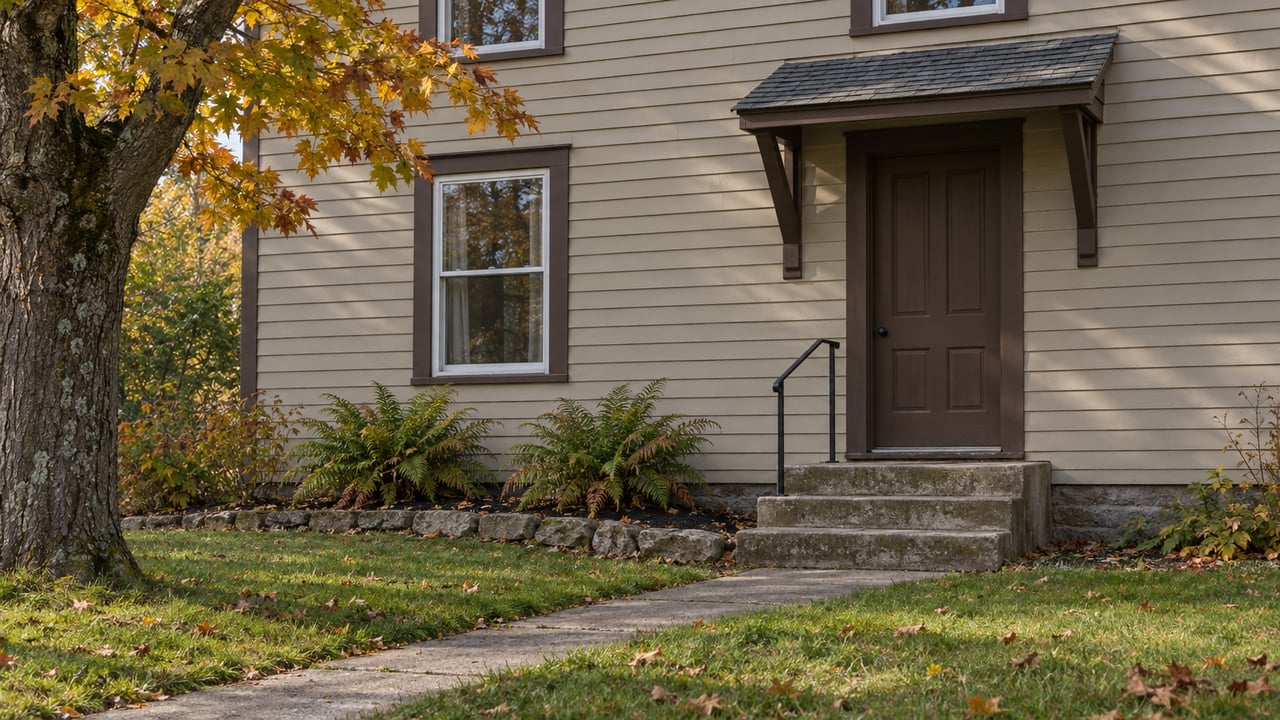
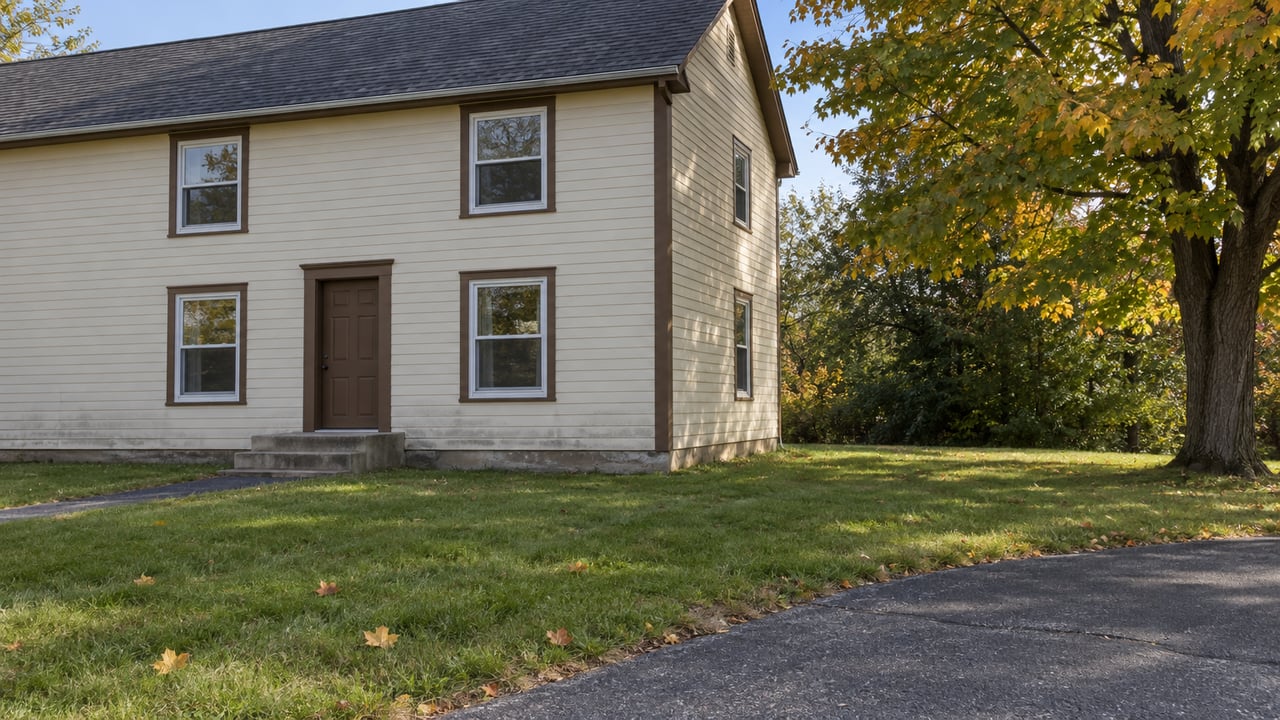
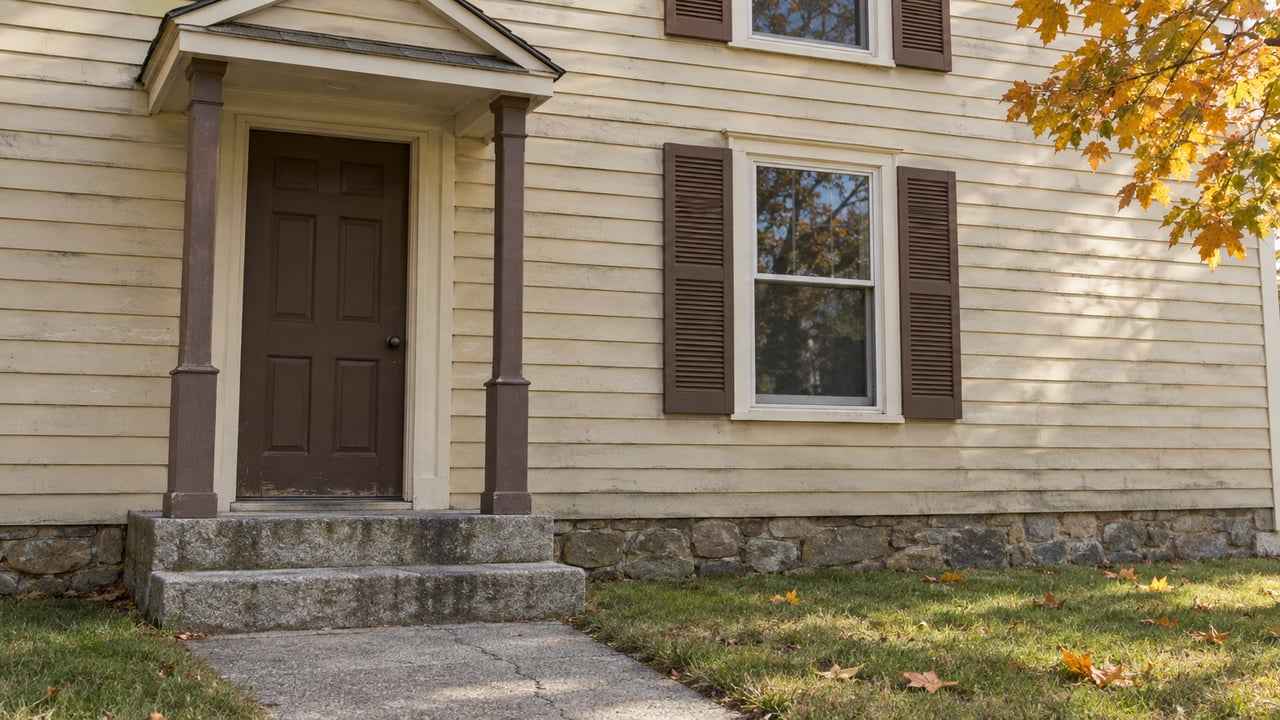
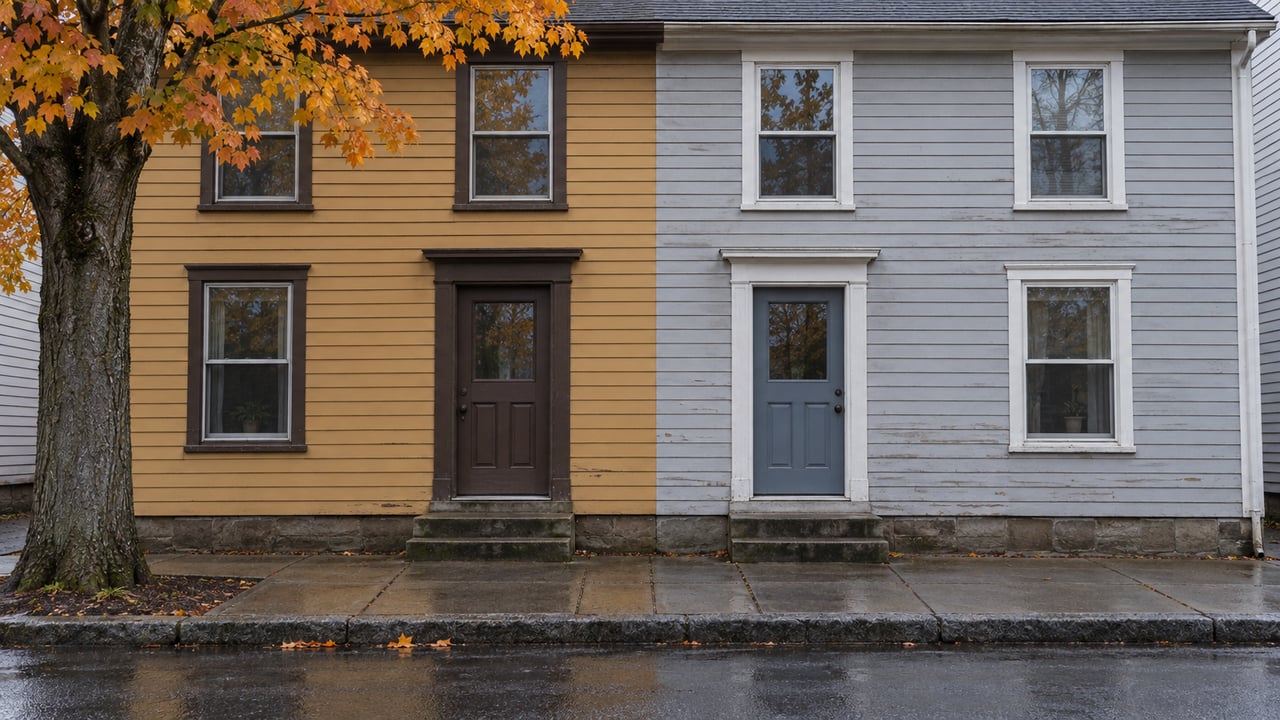
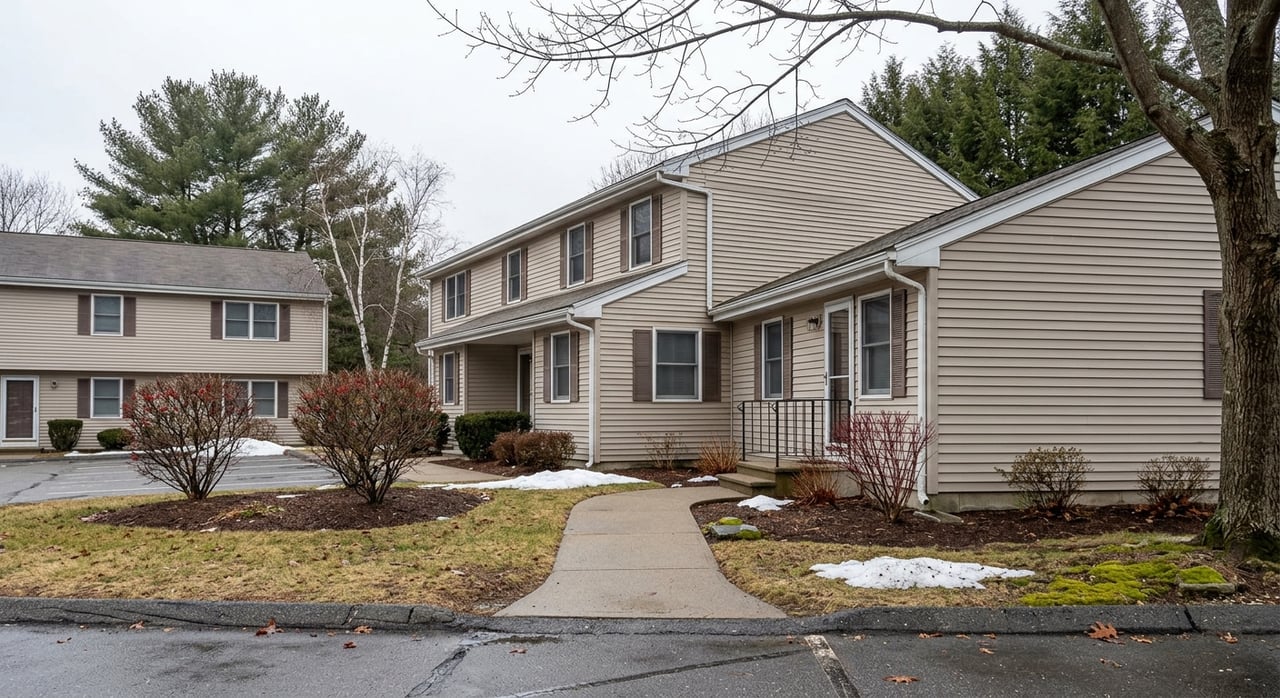
Hartford has a more varied housing stock than many buyers expect. According to the town plan and census-based housing data, you will find large single-family homes in rural areas, mobile homes on large lots, small historic homes in village centers, apartment buildings, condominiums, and senior housing complexes.
One-unit detached homes are still the largest category at 55.3% of the housing stock. But Hartford also has meaningful smaller multifamily inventory, including 3-to-4-unit buildings at 11.5% and 5-to-9-unit buildings at 11.9%, while mobile homes account for 6.3%.
That mix is helpful if your search is flexible. You are not limited to one property type, and that can create more paths into the market depending on your budget, goals, and desired location.
What to Expect by Home Age
Hartford’s inventory spans several eras. Town data shows a substantial share of homes built in the 1970s and 1980s, along with a notable amount of pre-1940 housing.
For you as a buyer, that usually means one thing: condition and systems can vary widely from property to property. Two homes with similar square footage may offer very different maintenance needs, layout styles, and renovation history depending on when they were built and how they have been updated.
Older village homes may offer charm and location, while later-built homes may offer different layouts or easier upkeep. The right fit depends on what you value most.
Why Hartford Works for Commuters
Hartford is one of the Upper Valley’s strongest Vermont-side options for cross-border commuting. That matters if you work in or near Dartmouth-related employment centers or travel regularly into New Hampshire.
Transportation resources point to the Hartford-Lebanon I-89 bridge project area, the nearby Exit 20 and I-91 ramp area, and Amtrak service from White River Junction. In practice, Hartford gives buyers multiple ways to stay connected, but the best village for you still depends on your exact commute pattern.
White River Junction is usually the first place to consider if convenience is your top priority. Other villages may still work well, but drive time, road access, and transit proximity should be checked by address, not just by town name.
Key Due Diligence Before You Buy
In Hartford, property-level details matter. Before you make an offer, it is smart to verify core items that may vary by village, street, or even individual parcel.
Check Floodplain Status
Hartford regulates development in FEMA flood hazard areas, and town public-safety planning identifies several river-adjacent facilities and streets in 1% annual flood hazard zones. If a property is near a river or low-lying area, floodplain status should be part of your early review.
Confirm Water and Sewer Service
Utility service is not the same across all of Hartford. The Hartford Water System serves Hartford, White River Junction, and Wilder, while Quechee has its own water system.
Wastewater service is also split between the Hartford system and a separate Quechee system. That means you should confirm water and sewer service directly for the property you are considering rather than assume all village properties are served the same way.
Review Any District-Specific Rules
White River Junction includes a design review district where redevelopment is expected to consider architecture, sign placement, site layout, and streetscape, with reuse of existing buildings encouraged when possible. If you are buying with future renovation plans in mind, village-specific rules can affect what is practical.
Hartford’s Community Amenities
Hartford offers a stronger civic base than many towns its size. The town supports four public libraries, public recreation programming, local concerts, and a connected village network that shares services.
The Hartford School District serves Pre-K through grade 12 from White River Junction. The town’s Living & Visiting resources also highlight events and services across multiple villages, and the reopening of a staffed fire station in Quechee in 2025 reflects how the village system functions together.
For buyers, this matters because Hartford is not just scenic or convenient. It also has the day-to-day public framework that supports year-round living.
Which Hartford Village Fits You Best
Here is a simple way to narrow your search:
- Choose White River Junction if you want walkability, rail access, and the clearest commuter convenience.
- Choose Quechee if you want a resort-adjacent, second-home, or lifestyle-focused setting.
- Choose Hartford Village if you want a traditional village feel near the White River.
- Choose Wilder if you want compact village character shaped by historic mill-village development.
- Choose West Hartford if you want a more rural setting with greater privacy and open land around you.
The best fit often comes down to how you plan to live each day. Commute, property type, utility setup, and your comfort with village versus rural living should all be part of the decision.
Final Thoughts for Hartford Buyers
Hartford gives you more variety than its town name alone suggests. From White River Junction’s walkable center to Quechee’s lifestyle appeal to the quieter roads and open land in West Hartford, you can shape your search around how you actually want to live.
Because inventory, services, and property conditions can vary widely here, local guidance makes a difference. If you want help comparing villages, narrowing your search, or evaluating a specific property in Hartford or elsewhere in the Upper Valley, connect with Carter Auch.
FAQs
What is the most walkable village in Hartford, VT?
- White River Junction is generally the best fit for buyers who want walkability, rail access, and a village-center setting.
What part of Hartford, VT is best for a second home?
- Quechee is usually the strongest match for buyers looking for a resort-adjacent, lifestyle-focused, or second-home setting.
Are all Hartford, VT properties on the same water and sewer systems?
- No. Hartford, White River Junction, and Wilder are served by the Hartford Water System, while Quechee has its own water system, and wastewater service is also split between Hartford and Quechee systems.
Do Hartford, VT buyers need to check flood zones?
- Yes. Hartford regulates development in FEMA flood hazard areas, so floodplain status should be verified for any property, especially near rivers or low-lying areas.
What kinds of homes can you find in Hartford, VT?
- Hartford has a mixed housing stock that includes single-family homes, small historic homes in village centers, condos, apartment buildings, mobile homes on large lots, and senior housing complexes.