If you’re dreaming about more land, more quiet, and a home that feels connected to the landscape, Lyme deserves a closer look. This is not a typical subdivision market, and that is exactly why many buyers are drawn to it. In this guide, you’ll get a practical look at what country living in Lyme really means, from zoning and acreage to roads, taxes, and day-to-day lifestyle. Let’s dive in.
Why Lyme feels different
Lyme is a rural Upper Valley town along the Connecticut River, and its character is shaped by woods, water, hills, and open land. Town materials emphasize the protection of natural and agricultural land, which helps explain why Lyme feels more conservation-minded than development-driven.
That setting is a big part of the appeal. You’ll find a town with close-knit neighborhoods, longtime residents, and newer arrivals who want natural beauty while staying connected to Dartmouth-area opportunities in nearby Hanover and Lebanon.
Outdoor living is part of daily life
If you want a place where the outdoors is woven into everyday life, Lyme stands out. The Appalachian Trail crosses the eastern part of town, the Dartmouth Skiway sits on the slopes of Holts and Winslow, and town conservation lands support hiking, snowshoeing, and cross-country skiing.
The town’s geography reinforces that identity. Lyme includes the Connecticut River, Post Pond, Pout Pond, and Smarts Mountain, so the landscape feels broad and varied rather than built up.
That outdoor focus is backed by long-term land stewardship. A town natural resources inventory reported that roughly 13,350 acres, or about 38% of the town, was conserved at the time of the study.
Lyme real estate: what buyers typically see
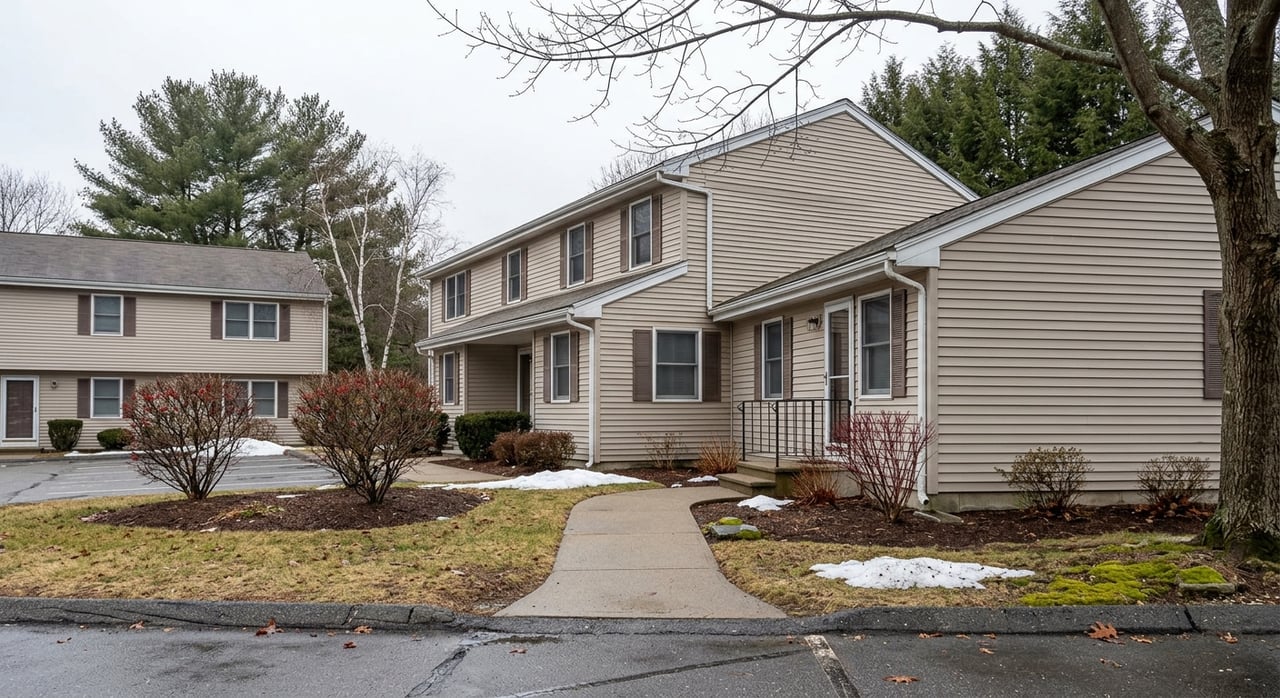
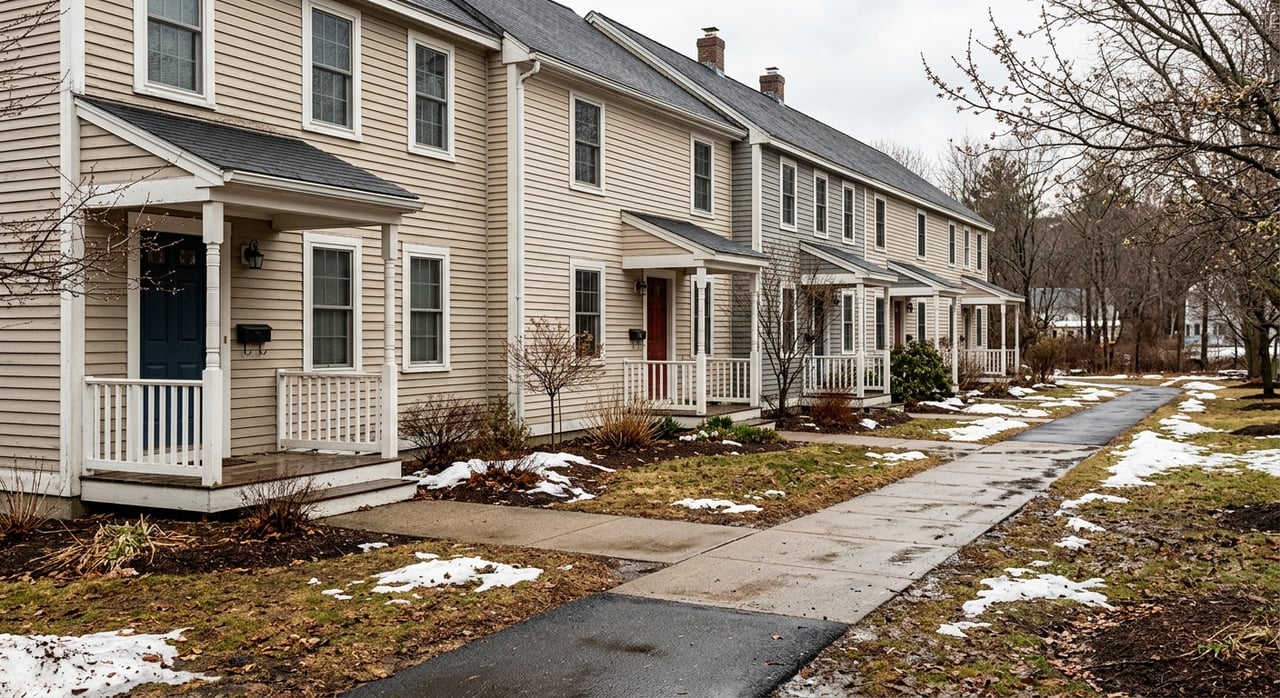
Lyme offers a mix of village-scale homes and larger rural properties, but the type of home you see depends a lot on where you look. Around the Lyme Common Historic District, there are more than sixty primary structures, most originally built as single-family homes, creating a compact village core.
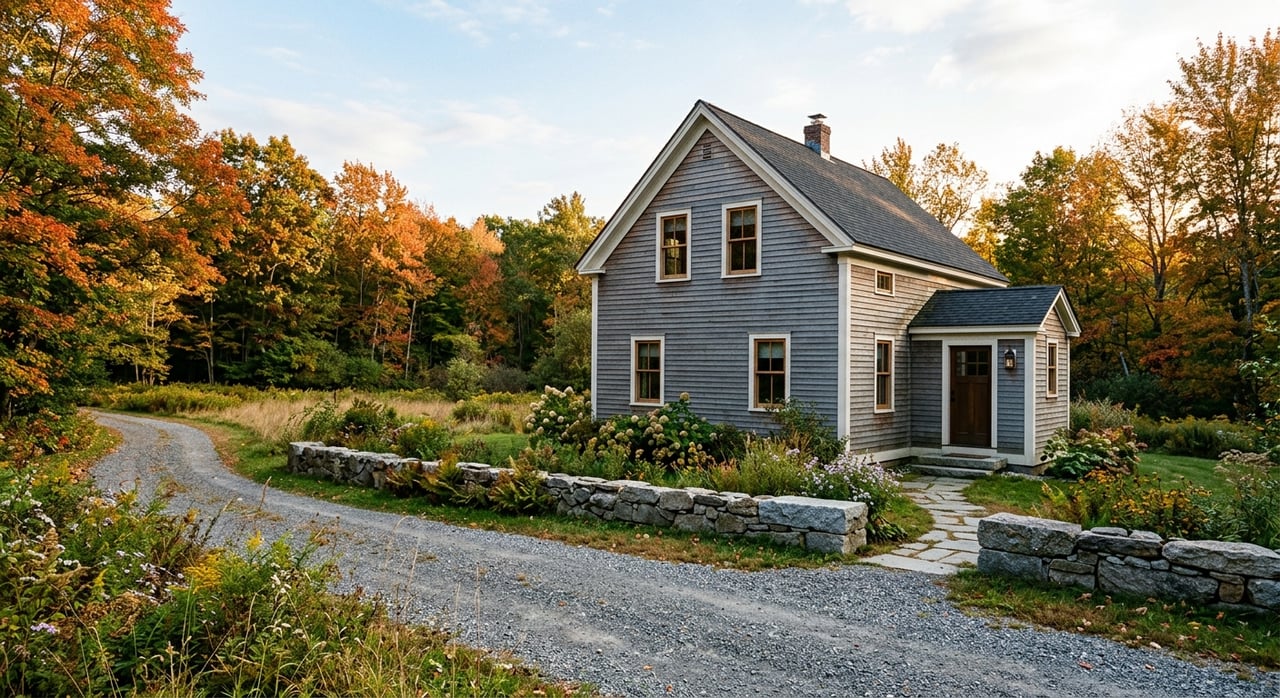
Outside the village areas, the market shifts toward larger lots and more rural settings. In practical terms, Lyme has a clear split between homes near the Common and properties with more acreage or conservation-edge surroundings elsewhere in town.
For many buyers, that means your home search starts with a lifestyle question. Do you want a more compact in-town setting, or do you want distance, privacy, and land?
Zoning shapes country living
One of the most important things to understand about Lyme real estate is that zoning strongly shapes what can be built and where. Minimum lot sizes vary widely by district, and those rules help preserve the town’s rural pattern.
Here is a simplified look at current minimum lot sizes in key districts:
| Area or District | Minimum Lot Size |
|---|---|
| Lyme Center and Lyme Common | 1 acre |
| Commercial District | 2 acres |
| Rural District near state highways | 3 acres |
| Rural District elsewhere | 5 acres |
| East Lyme | 15 acres |
| Skiway District | 50 acres |
| Mountain & Forest Conservation District | 50 acres |
| Holt’s Ledge | 2 acres |
These rules matter because they influence inventory, privacy, and future land use around a property. East Lyme is reserved for low-intensity land uses because of its remote location and limited ability to support development, while the Mountain & Forest Conservation District is intended to preserve large undeveloped forest tracts and encourage forestry and outdoor recreation.
The Planning Board also looks at land character, neighborhood context, soils, on-site wastewater disposal, wells, traffic circulation, and future use and enjoyment of the property. If you are buying in Lyme, the land itself is often as important as the house on it.
What acreage buyers should know
If you are shopping for land or a home with acreage, Lyme’s current use program is an important part of the conversation. According to the assessing department, undeveloped land of 10 or more acres may enroll in current use, and some smaller wetlands or agricultural parcels may also qualify.
That can affect carrying costs, but there is also an important tradeoff. If land is removed from current use, it is subject to a 10% land use change tax based on full and true value.
This is one reason acreage purchases need careful planning. If you are thinking about future building, subdivision potential, or changing how the land is used, you want to understand those rules early.
Roads, access, and mud season reality
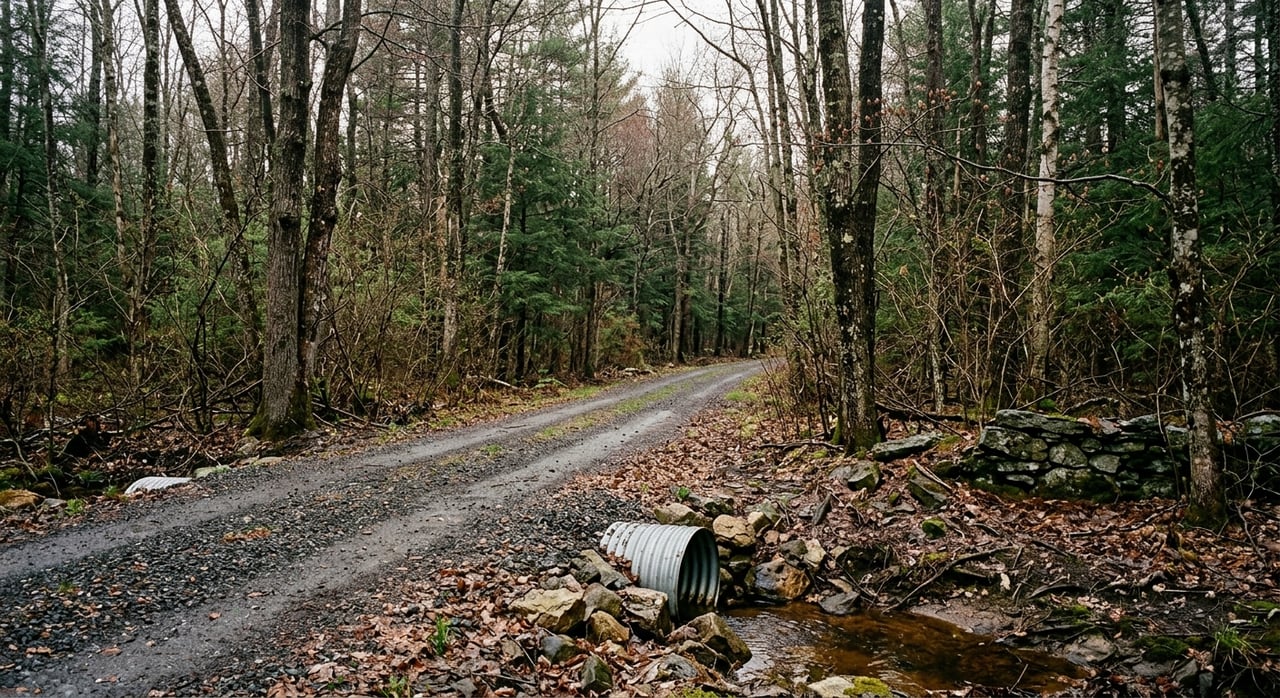
In Lyme, the road to the house can be just as important as the house itself. The town’s roads plan says Lyme has 13 miles of paved roads and 39 miles of dirt roads, most of them older Class V roads with drainage and culvert challenges.
For buyers, that means access deserves real attention. Road condition, winter plowing, driveway maintenance, and mud-season travel can all shape your day-to-day experience.
Route 10 is the main north-south roadway through Lyme and has long connected the town to the broader Dartmouth area. That connection helps make Lyme attractive for people who want a quieter setting while still staying tied to work, services, and community life in nearby towns.
Wells and septic matter in rural homes
Many rural properties depend on private systems rather than municipal water and sewer. In Lyme, that makes due diligence especially important when you are evaluating a home or parcel.
New Hampshire DES recommends that home buyers with private wells test the water and consider nearby septic systems and surrounding land uses. For a buyer, this is not just a box to check. It is a practical part of understanding how a property functions over time.
The town’s zoning process also considers soils and on-site wastewater disposal, which tells you how closely land conditions and development potential are tied together here. In a rural market like Lyme, these details are part of the lifestyle.
Schools and Upper Valley access
For buyers comparing Lyme with other Upper Valley towns, location and school options often come up early. Lyme Life says children attend kindergarten through eighth grade at the Lyme School, and then choose a secondary school from neighboring towns.
The town also includes Crossroads Academy, an independent K-8 school in Lyme. SAU 70’s Dresden district page lists Frances C. Richmond Middle School and Hanover High School in Hanover.
For some buyers, that mix of local and neighboring-town options pairs well with Lyme’s rural setting. It can offer access to Upper Valley institutions and services without living in a denser in-town environment.
Property taxes and carrying costs
Before you buy in Lyme, it helps to look beyond the list price. Lyme’s 2025 total property tax rate was $28.19 per $1,000 of assessed value, with $18.60 of that total going to local education.
The assessing department says Lyme aims to assess property at 100% of fair market value and offers current use along with several credits and exemptions. If you are comparing Lyme with nearby towns, total carrying costs should include taxes, road considerations, and the upkeep that often comes with larger lots.
That is especially true for buyers moving from more conventional neighborhoods. In Lyme, your budget may need to account for land stewardship, private systems, and seasonal property needs.
Who Lyme is a good fit for
Lyme tends to appeal to buyers who want country living with structure and purpose behind it. This is a good fit if you value privacy, outdoor access, conservation, and a home setting that feels connected to the land.
It may be especially appealing if you want to stay tied to Hanover, Lebanon, or the Dartmouth area while living in a quieter and less densely developed town. Lyme has those long-standing regional connections, but it delivers them in a distinctly rural package.
It may be less ideal if you want a conventional subdivision experience or a low-maintenance property with dense municipal infrastructure. Lyme asks a bit more from homeowners, but many buyers see that as part of the value.
How to approach a Lyme home search
A smart Lyme home search starts with clear priorities. Think about whether you want village proximity, acreage, trail access, privacy, easier commuting, or lower-maintenance living.
Then focus on property-specific questions such as:
- Which zoning district is the property in?
- What is the minimum lot size in that area?
- Is any land enrolled in current use?
- What are the road conditions year-round?
- Are water and wastewater systems private?
- How does the property’s setting affect upkeep and access?
These questions help you move past surface-level appeal and evaluate whether a property truly fits your lifestyle. In Lyme, that kind of practical planning can make all the difference.
If you are considering buying or selling in Lyme, working with someone who understands Upper Valley town-by-town differences can save time and help you make better decisions. For guidance on Lyme homes, land, and rural property questions, connect with Carter Auch.
FAQs
What kind of real estate is most common in Lyme, NH?
- Lyme includes a compact village core around the Common and larger-lot rural properties in other parts of town, with zoning playing a major role in what buyers will find.
What should buyers know about acreage in Lyme, NH?
- Acreage buyers should review zoning, current use status, and any future land use plans, since undeveloped land of 10 or more acres may qualify for current use and removal can trigger a 10% land use change tax.
What is country living in Lyme, NH really like?
- Country living in Lyme often means more privacy, outdoor access, and larger lots, along with more responsibility for roads, wells, septic systems, and seasonal property maintenance.
How important are road conditions when buying a home in Lyme, NH?
- Road conditions are very important because Lyme has significantly more dirt roads than paved roads, and year-round access, plowing, drainage, and mud season can affect daily life.
Are there school options for buyers considering Lyme, NH?
- Lyme includes the Lyme School for kindergarten through eighth grade, has an independent K-8 school in town, and secondary school options are available through neighboring towns.
Is Lyme, NH a good fit for Dartmouth-area buyers?
- Lyme can be a strong fit for buyers who want rural Upper Valley living while maintaining access to Hanover, Lebanon, and the broader Dartmouth area through Route 10 and longstanding regional connections.